12 Potential Side Effects of Doing Chakra Meditation
Have you every experienced this- Despite your success, your life is caught up with a whirlwind of deadlines and demands. Your days are filled with anxiety, your nights with restless sleep. You try relaxing yourself but that only provides you with temporary relief. Here's the best way you can overcome this- chakra meditation.
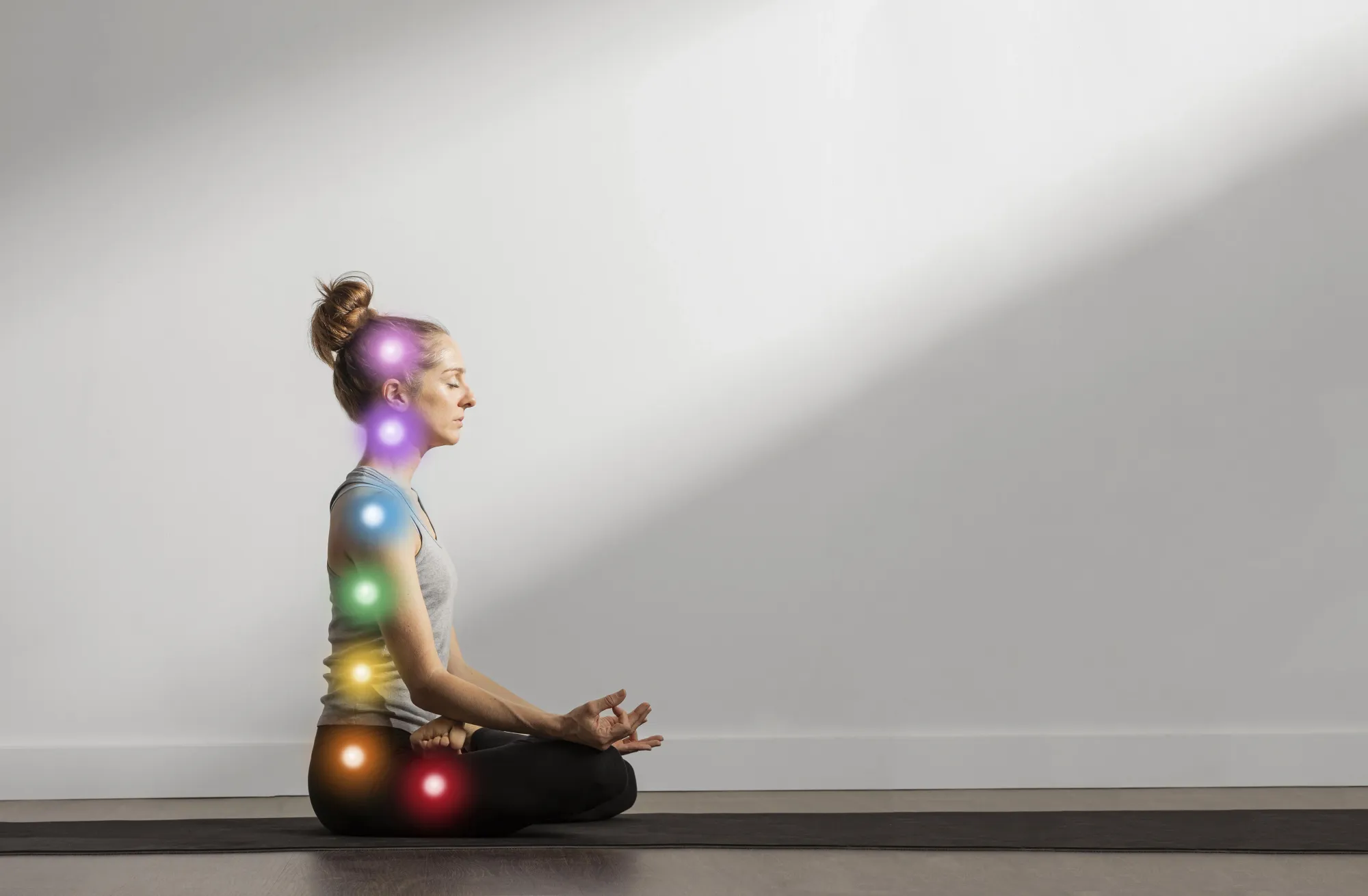
The 7 chakras in our body are viewed as spinning wheels of energy, each positioned at specific points along the spine. The belief is that these energy centers govern various physical, emotional, and spiritual aspects of our being, and when aligned, they contribute to a state of overall well-being and spiritual connectivity.
Chakra meditation focuses activating, balancing, and harmonizing the 7 chakras, from the root at the spine's base to the crown at the head's top. It involves a blend of focused visualizations, breathwork, and mantras for activating the 7 chakras, aiming to unblock and energize these centers.
As more individuals seek holistic approaches to health and personal growth, chakra meditation has become increasingly popular, transcending its traditional roots to become a significant tool in modern stress management and self-exploration. It offers numerous benefits of chakra healing, such as enhanced mental clarity and emotional release. However, practitioners should be aware of the side effects of meditation and approach with informed care, especially when learning how to activate chakras in the human body.
In this blog, let's understand the intricate world of chakras, guiding you through their significance, how to activate chakras in the human body, their benefits, and crucially, the side effects of chakra meditation that practitioners may experience.
The 7 Chakras and Their Significance
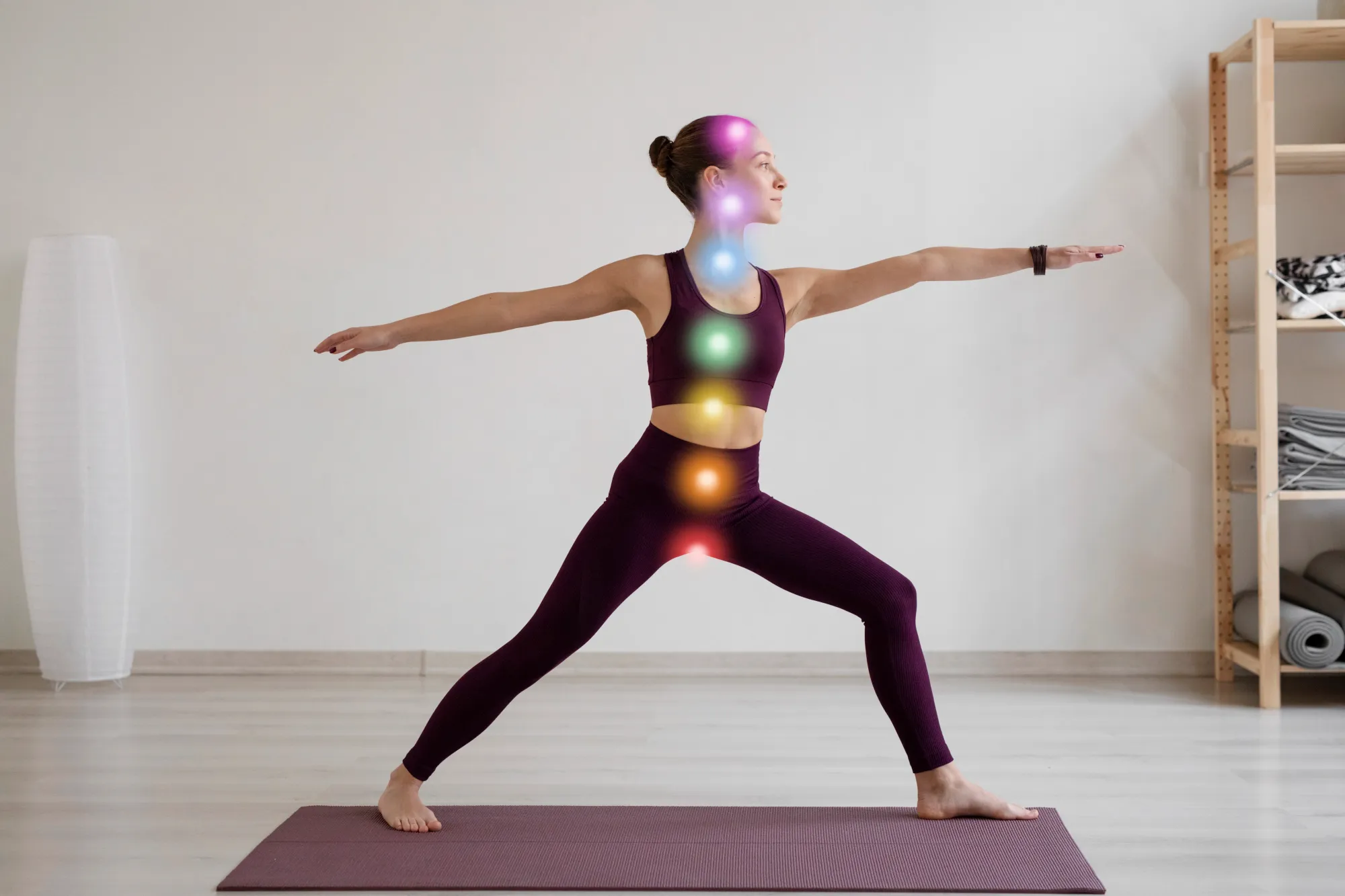
The concept of the 7 chakras forms a core part of ancient Eastern spiritual traditions, particularly within Hinduism and Buddhism. These chakras are envisioned as spinning wheels or discs of energy located at various points along the spine, each representing different aspects of physical, emotional, and spiritual health.
1. Root Chakra (Muladhara): Located at the base of the spine, the Root Chakra is associated with feelings of safety, security, and basic human needs. When balanced, it provides a foundation of stability and groundedness.
2. Sacral Chakra (Svadhishthana): Positioned just below the navel, this chakra governs creativity, sexuality, and one's relationship with pleasure. A harmonious Sacral Chakra enhances emotional depth and fosters healthy relationships.
3. Solar Plexus Chakra (Manipura): Found in the stomach area, this chakra is the center of personal power, self-esteem, and confidence. Balancing this chakra contributes to a sense of control and effectiveness in action.
4. Heart Chakra (Anahata): Located at the heart center, it is the wellspring of love, compassion, and empathy. An open Heart Chakra enables deep connections with others and fosters a sense of inner peace.
5. Throat Chakra (Vishuddha): This chakra, located at the throat, is linked to communication and self-expression. Its balance is key to speaking one's truth and listening effectively.
6. Third Eye Chakra (Ajna): Positioned on the forehead between the eyes, it's associated with intuition and insight. A clear Third Eye Chakra can lead to a strong sense of intuition and mental clarity.
7. Crown Chakra (Sahasrara): At the top of the head, this chakra connects to spirituality and consciousness. A balanced Crown Chakra can lead to spiritual enlightenment and a deep sense of connection to the universe.
Each chakra plays a vital role in the human body, not just in a spiritual sense but also influencing physical and emotional well-being. Understanding and balancing these chakras can lead to holistic health and a harmonious life.
Bring a little calm into your dayGuided meditation, sleep & breathwork — free to start.Try Swa:aha freeChakra meditation – An overview
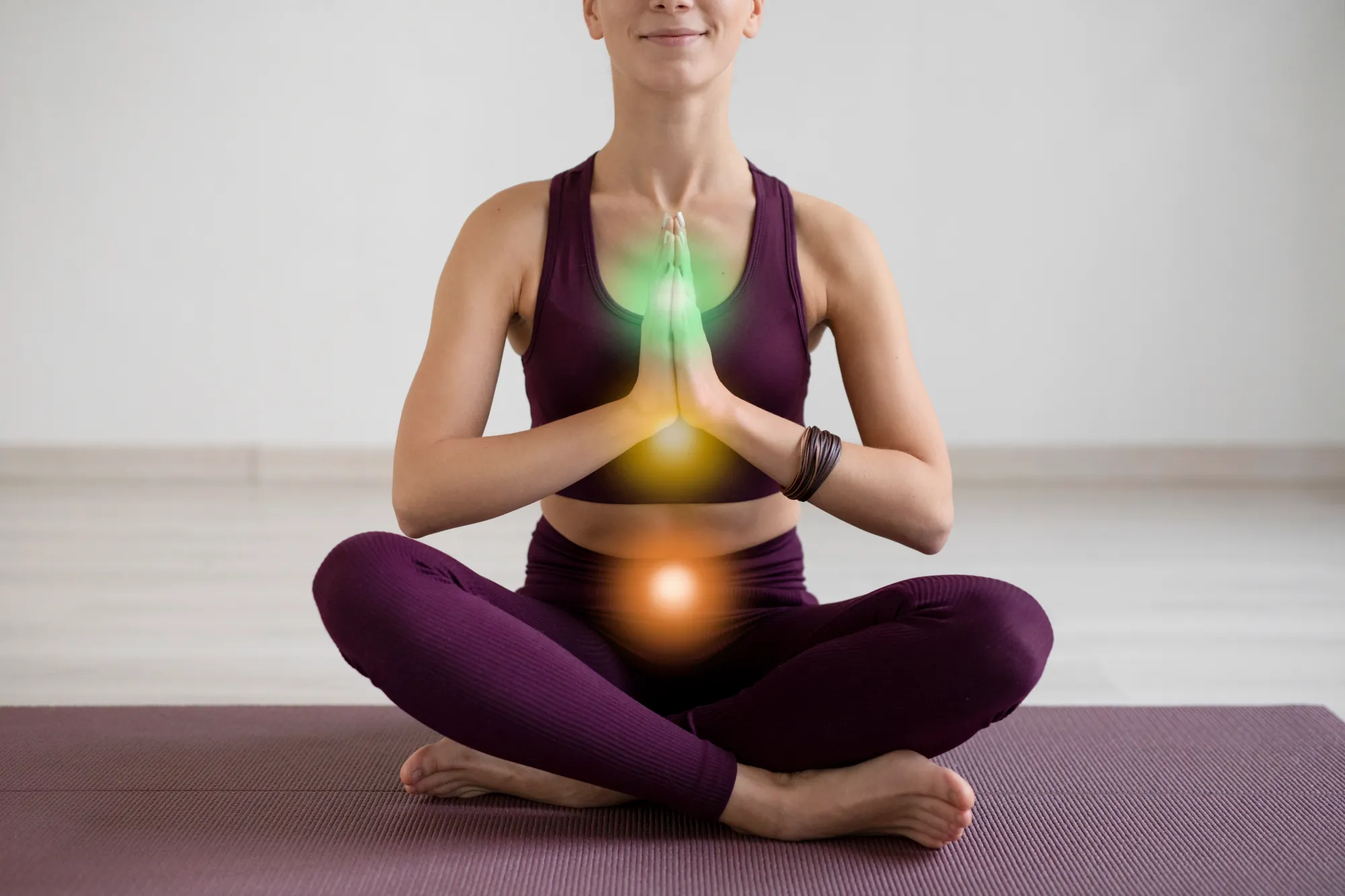
Chakra meditation is a form of meditation focused on awakening, balancing, and healing the seven chakras. It involves a deep, focused approach that often combines visualization, breathwork, and the use of mantras to engage with these energy centers.
What is Chakra meditation?
Chakra meditation is not just a relaxation technique; it is a profound spiritual practice that aims to align and balance the chakras. This form of meditation often involves visualizing each chakra, from the root to the crown, and using specific mantras or sounds that resonate with each chakra's frequency. The practice can be tailored to focus on a particular chakra that might be blocked or imbalanced, or it can address all chakras in a single session.
Connection between meditation and chakra energy
The act of meditating on the chakras serves to enhance the flow of energy through the body. This energy, often referred to as 'prana' or 'life force', is believed to be essential for overall health and vitality. Chakra meditation aids in unblocking any stagnant energy within these centers, promoting a smoother flow of energy throughout the entire body. This can lead to not only spiritual and emotional benefits but also physical health improvements.
By engaging in chakra meditation, practitioners embark on a journey of self-discovery and healing, exploring the intricate connections between their physical, emotional, and spiritual selves. This practice has been embraced by many as a powerful tool for personal growth and transformation.
Activating the chakras
Activating the chakras is a process that involves awakening each energy center, allowing for a harmonious flow of energy throughout the body. This can be achieved through various methods, each aiming to balance and enhance the energy of the chakras.
Methods to Activate Chakras
Focused Meditation: Concentrating on the specific area of each chakra, envisioning the flow of energy and using visualization techniques to unblock or stimulate these centers.
Breathwork (Pranayama): Certain breathing techniques can be used to enhance the energy flow in the chakras, such as alternate nostril breathing or deep abdominal breathing.
Yoga poses: Specific yoga asanas are designed to open and align different chakras. For example, 'Bridge Pose' for the Sacral Chakra or 'Heart-Opening Asanas' for the Heart Chakra.
Use of colors and crystals: Each chakra is associated with specific colors and crystals that can be used in meditation to enhance the activation process.
Sound therapy: This involves using chanting or singing bowls tuned to the frequencies corresponding to each chakra.
Mantras for activating the 7 chakras
Mantras are specific sounds or vibrations that resonate with the energy of each chakra, aiding in their activation:
Root Chakra (LAM): For grounding and stability.
Sacral Chakra (VAM): To unlock creativity and emotional balance.
Solar Plexus Chakra (RAM): For enhancing personal power and self-confidence.
Heart Chakra (YAM): To open the heart to love and compassion.
Throat Chakra (HAM): For clear communication and self-expression.
Third Eye Chakra (OM): To increase intuition and insight.
Crown Chakra (AH): For spiritual connection and enlightenment.
The role of chakra balancing
Chakra balancing involves ensuring that all the chakras are working in harmony with each other. An imbalance in one chakra can impact the others, leading to physical, emotional, or spiritual discomfort. Regular practices such as meditation, yoga, and mindful breathing can maintain this balance, promoting overall health and wellbeing.
Bring a little calm into your dayGuided meditation, sleep & breathwork — free to start.Try Swa:aha freeBenefits of chakra meditation
Chakra meditation offers a range of benefits, impacting various aspects of one's life, from physical health to spiritual growth.
Emotional release and healing: Helps in releasing pent-up emotions, leading to emotional stability and resilience.
Increased awareness and concentration: Enhances mindfulness and focus, leading to better decision-making and clarity of thought.
Stress reduction: Promotes relaxation and reduces symptoms of anxiety and depression.
Physical health improvement: Linked to better sleep, improved digestion, and enhanced energy levels.
Spiritual growth: Facilitates a deeper sense of connection to oneself and the universe, fostering a sense of peace and contentment.
Understanding the benefits of chakra healing
Holistic well-being: Chakra healing addresses not just the physical symptoms but the emotional and spiritual aspects, leading to comprehensive health and wellness.
Energetic balance: Aids in balancing the body's energy system, which is crucial for maintaining physical and mental health.
Personal Transformation: Many find that regular chakra healing practices lead to significant personal growth and transformation, enriching their life experience.
Also read:
Role of balanced chakras in cultivating leadership
Awaken your creativity by activating Sacral chakra
Side effects of chakra meditation
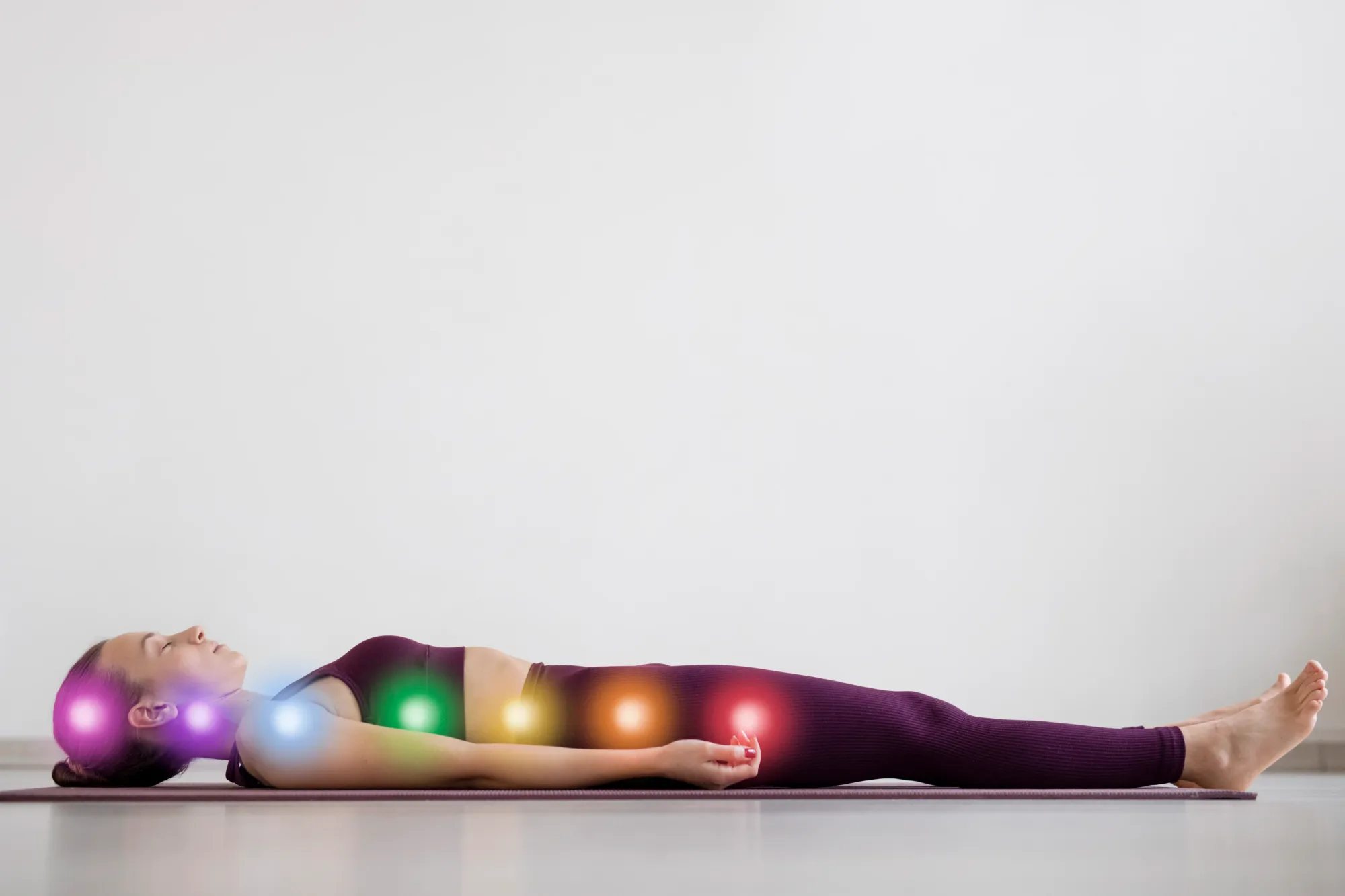
While chakra meditation offers numerous benefits, it's important to approach it with awareness, as there can be side effects, particularly for those new to the practice or those with certain emotional or psychological vulnerabilities.
- Changes in breathing patterns: Practitioners may experience alterations in their breathing rhythm, such as rapid breathing, shallow breaths, or pauses in breathing. This can be a response to the activation of different energy centers.
- Reactions to certain situations or memories: Chakra meditation can trigger emotional responses or memories, leading to reactions like crying, laughter, or emotional upheaval. This is often due to the release of suppressed emotions.
- Nausea or headaches: The intense focus and energy movement during chakra meditation can sometimes result in physical discomforts like nausea or headaches, particularly if energy flow is not properly balanced.
- Panic or anxiety: Some individuals may experience feelings of panic, anxiety, or disorientation, especially if they encounter overwhelming emotions or memories during the practice.
- Hallucinations: In rare cases, practitioners might experience audio or visual hallucinations. This can occur due to deep states of meditation affecting sensory perception.
- Irrational thoughts: The process of delving deep into one's psyche can sometimes lead to temporary irrational thoughts or altered states of consciousness.
- Lack of interest in particular activities: Engaging deeply in spiritual practices like chakra meditation can sometimes shift a person's interests and priorities, leading to a lack of interest in activities they previously enjoyed.
- Shivers or feelings of electricity: Sensations such as shivers along the spine or feelings of electricity running through the body can occur as energy is activated or moved within the body.
- Spontaneous motor movements: Uncontrolled or spontaneous movements, often known as kriyas, can happen as energy flows through the body's channels.
- Out-of-body experiences: Some practitioners report experiencing out-of-body sensations or a feeling of transcending physical boundaries.
- Altered sleep patterns: Changes in sleep patterns, including insomnia or the need for less sleep, can occur as a result of intense energy work.
- Increased psychic ability: Some individuals may experience heightened intuition or psychic abilities as their third eye and crown chakras are activated.
Here'a a list of people who should refrain from chakra meditation without expert guidance:
- Individuals with mental health issues: Those who have conditions like severe anxiety, schizophrenia, or bipolar disorder should approach chakra meditation cautiously and under professional guidance.
- People having severe stress or trauma: Individuals dealing with acute stress, trauma, or grief might find that chakra meditation intensifies their emotions, necessitating the support of a mental health professional.
- Those with a history of seizures: Due to the potential for spontaneous movements and altered states of consciousness, individuals with a seizure disorder should consult a healthcare provider before engaging in chakra meditation.
- Pregnant women: Pregnant women should consult with their healthcare provider, as certain meditation practices might not be advisable during pregnancy.
- Individuals with serious physical health conditions: Those with serious health conditions, especially those affecting the heart or nervous system, should seek medical advice before starting chakra meditation.
Balancing Positive and Negative Aspects
Gradual progression: Start slowly, particularly with chakra meditation, to allow your body and mind to adjust.
Guided practice: Especially for beginners, guided sessions can help in navigating the meditation process safely.
Listening to your body: Being attuned to your body's responses during meditation is crucial. If discomfort arises, it may be necessary to ease up or seek guidance.
Also read:
How to call Lord Shiva for help?
Is it safe to do Om chanting 108 times?
What should you do after meditation?
Bring a little calm into your dayGuided meditation, sleep & breathwork — free to start.Try Swa:aha free7 chakras meditation techniques
While general meditation focuses on calming the mind and achieving a state of relaxation, chakra meditation involves specific techniques that target the energy centers in the body. Here, we delve into techniques tailored for each of the 7 chakras, offering a more specialized approach to meditation.
Specific Meditation Techniques for Each Chakra
Root chakra meditation
Technique: Visualize a red glowing light at the base of your spine. Imagine roots growing from your body into the ground, connecting you to the Earth.
Focus: Grounding and stability.
Sacral chakra meditation
Technique: Picture an orange light in your lower abdomen. Engage with feelings of creativity and pleasure.
Focus: Emotional balance and creativity.
Solar plexus chakra meditation
Technique: Envision a yellow light in your stomach area. Concentrate on feelings of personal power and confidence.
Focus: Self-esteem and empowerment.
Heart chakra meditation
Technique: Imagine a green light at your heart center. Embrace feelings of love and compassion for yourself and others.
Focus: Love and connection.
Throat chakra meditation
Technique: Visualize a blue light around your throat. Reflect on truthful expression and active listening.
Focus: Communication and expression.
Third eye chakra meditation
Technique: Focus on the point between your eyebrows with an indigo light. Engage with your intuition and imagination.
Focus: Intuition and insight.
Crown chakra meditation
Technique: Picture a violet light at the top of your head. Connect with a sense of spiritual unity and understanding.
Focus: Spiritual connectivity and enlightenment.
Each of these techniques involves specific visualizations and mental focuses, distinguishing them from general meditation practices which might not target specific areas or themes in the body and mind.
Heal your chakras on Swa:aha (formerly Level SuperMind)
Unlock the power of chakra healing with the Swa:aha (formerly Level SuperMind) app, available in both Hindi and English, voiced by Zeel and Guri respectively. An unhealthy lifestyle often leads to blocked chakras, causing issues like digestive problems, chronic pain, and anxiety. Chakra meditation is a key to unblocking these energy centers and enhancing overall well-being.
Zeel's chakra meditation series: This series, in Hindi, dives into chakra healing through sound meditation techniques like Nadi Shuddhi, musical healing, Beej Mantra, and Yog Nidra. These methods focus on opening, balancing, and healing the chakras, using color visualization, chanting, and music. They help in reducing stress, improving respiratory health, boosting the immune system, and enhancing cognitive functions.
To access the complete meditation, tap here.
Guri's chakra meditation series: This series, in English, takes you through a detailed journey of the 7 chakras, dedicating each day to one chakra. This series is perfect for those looking to deeply understand and work with each chakra individually.
By trying the Chakra meditation series, here's what you'll experience:
- Techniques like Nadi Shuddhi and Yog Nidra help in reducing stress.
- Practices such as alternate nostril breathing enhance respiratory health.
- The combination of meditation and breathing exercises strengthens the immune system.
- Sound healing contributes to better sleep and recovery.
- Sound meditation and chanting help in releasing pent-up emotions.
- Music and mantra chanting uplift the mood and foster positivity.
- Techniques like Yog Nidra provide profound physicala and mental relaxation.
- You can choose the language they are most comfortable with for a more personalized experience.
Final thoughts
Chakra meditation, a practice rich in spiritual heritage, offers a pathway to enhanced well-being, emotional balance, and spiritual growth. When practiced with awareness and respect for its profound impact, it can be a transformative tool, leading to a deeper connection with oneself and the world around.
However, like any powerful practice, it must be approached responsibly. Understanding both its potential benefits and side effects is crucial for a safe and effective meditation journey. Whether you are seeking physical relief, emotional healing, or spiritual awakening, chakra meditation can be a valuable element in your wellness regimen. Yet, it's essential to remember that the journey is deeply personal, and one's experience with meditation can vary widely.
In conclusion, while embracing the myriad benefits of chakra meditation, let us also tread this path with mindfulness and care, acknowledging the delicate balance of energy within us, and respecting our individual limits and needs.