Should You Meditate After Eating or Before?
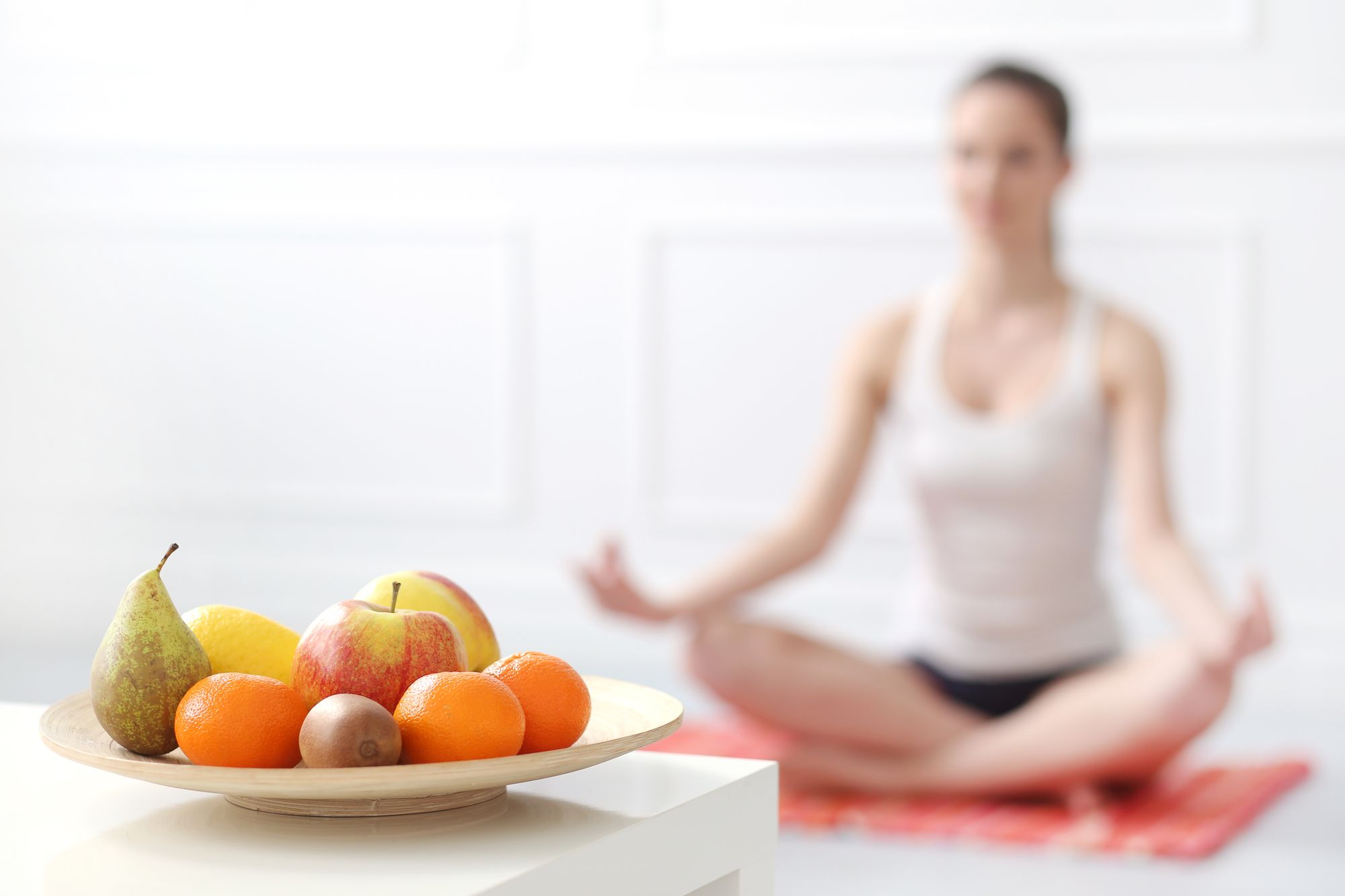
Imagine. You’ve just had a delectable dinner and your stomach’s full. But what about the night time meditation you promised yourself to stick to? Don’t worry, there are other people like you who are caught in a dilemma or whether or not you should do meditation after eating.
For an effective head start, enhance your meditation practice with Beginners’ meditation by Ranveer Allahbadia on the Swa:aha (formerly Level SuperMind) app. Additionally, choose to meditate in your preferred language from 7 different languages, both guided and unguided, as per what time frame suits you.
In this blog, we’ll gather multiple perspectives to understand the considerations of meditating after eating.
Also read: How to do meditation for beginners
The Connection between Meditation and Eating
Both the practices, meditation and mindfulness are closely intertwined. When you are fully present in the moment, in a state of cultivating awareness and acceptance, you’re being mindful. Eating, on the other hand, can impact not just your physical but also mental states significantly. Whether you should meditate after eating or not stems from the need to inculcate mindfulness into your daily life.
To get an overall understanding of this, let’s first go through the pros and cons of meditating on a full stomach and meditating on an empty stomach respectively.
Also read: Intuitive eating: Losing weight without dieting by listening to your body
Bring a little calm into your dayGuided meditation, sleep & breathwork — free to start.Try Swa:aha freeMeditating on an empty stomach
We all know that a lot of times, how our mood is at the moment can be attributed to how hungry we are. If you feel like meditating on an empty stomach, you should consider the following factors:
Advantages:
- You feel more focused and alert during meditation
- You feel calm and have a greater clarity of mind
- It’s easier for you to achieve a deep meditative state
- You may feel more spiritually connected
- You’ll experience less or no digestive discomfort
Disadvantages:
- You may experience hunger pangs or low energy levels
- It’s difficult to sustain longer meditation sessions
- You may feel lightheaded or weak
- You may feel distracted due to hunger
- Unfit for people with specific dietary needs or medical conditions
Also read: How to do meditation for overthinkers
Meditating on a full stomach
Meditation requires keeping an open mind so that it’s easier for you to acknowledge your thoughts and let them go. It requires relaxation and attentiveness and for this reason, some people might find it difficult to meditate on a full stomach.
Advantages:
- You tend to feel more grounded and stable during meditation
- You feel nourished and supported by the food consumed
- You’re less likely to experience hunger pangs or low energy
- You feel more comfortable and relaxed
- Suitable for individuals who prefer a more embodied meditation practice
Disadvantages:
- Potential discomfort or heaviness in the stomach
- Digestive processes may divert attention or cause restlessness
- It may be difficult to stay focused
- There maybe a lack of alertness and mental sharpness
- Not suitable for people with sensitive digestion
Also read: What is the best time to meditate- morning, evening, or?
Bring a little calm into your dayGuided meditation, sleep & breathwork — free to start.Try Swa:aha freeIs it okay to meditate after eating?
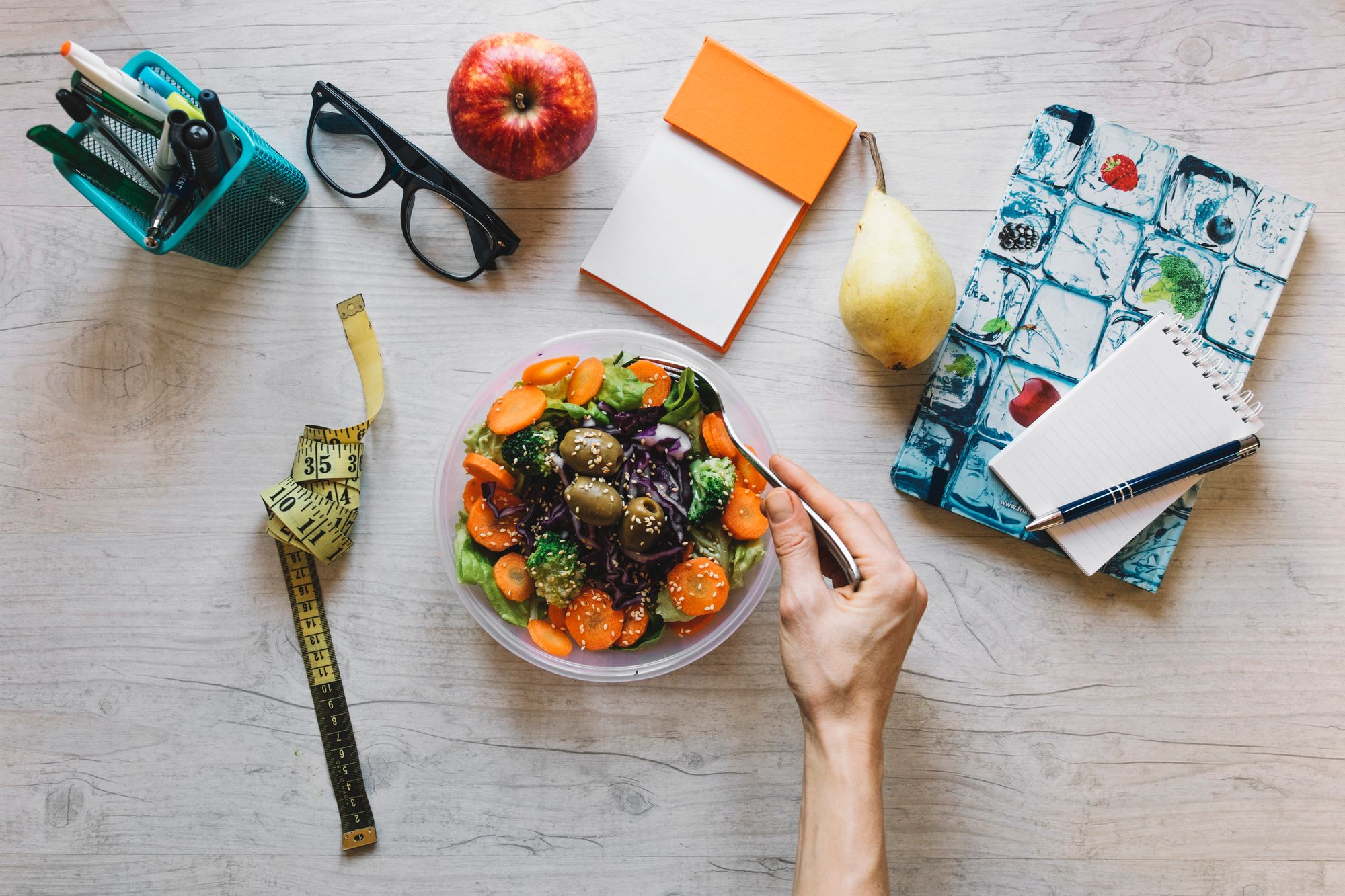
A lot of practitioners prefer to meditate before a meal or on an empty stomach. Well, every approach has its own merits. When you meditate on an empty stomach, you may feel more focused and alert, but it may also lead to hunger or low energy levels. On the other hand, meditating after eating can make you feel more grounded.
Keeping all considerations in mind, it’s recommended to keep a gap of 90 minutes between your meals and meditation so that your body has sufficient time to digest the food without leaving you too hungry. This way you’ll feel more relaxed and comfortable, thus being at a better position to concentrate while doing meditation.
Best foods to eat before meditation
In order to make your meditation practice better, it is recommended to go for food items that are light, nourishing foods that are easy to digest. Here are some examples of the best foods to eat before meditation:
Fruits: Choose fresh fruit, such as citrus, berries, or apples. They are mild on the stomach and offer natural sugars for hydration and energy.
Vegetables: Include leafy vegetables, cucumbers, and carrots in your diet for enough vitamins, minerals as well as fibre.
Whole grains: Select whole grains such as quinoa or oats for long-lasting energy and stable blood sugar levels while you are meditating.
Herbal teas: Have chamomile or lavender herbal tea as they tend to encourage calmness and relaxation.
Nuts: Grab some almonds, walnuts, or pumpkin seeds as a snack. They provide a balance of fibre, protein, and good fats to keep you full.
Bring a little calm into your dayGuided meditation, sleep & breathwork — free to start.Try Swa:aha freeFoods to avoid before meditation
While it is important to nourish your body before meditation, some foods may hinder your practice due to heaviness or digestion issues. Here are some examples of foods to avoid before meditation:
Heavy foods: Stay away from fried foods that are fried or have high fat content. You may feel uncomfortable, sluggish and it can also distract your focus during meditation.
Spicy foods: Avoid consumption of excessive spicy food before meditation as it can lead to indigestion or heartburn.
Caffeinated beverages: Caffeine increases anxiety which might make it difficult for you to stay calm while meditating.
Sugary snacks: Due to energy fluctuations, you should avoid sugary drinks, snacks or desserts before meditation.
Carbonated drinks: Soda or sparkling water may make you feel bloated, making it challenging to sit comfortably and focus on meditation.
How to make your meditation practice more effective
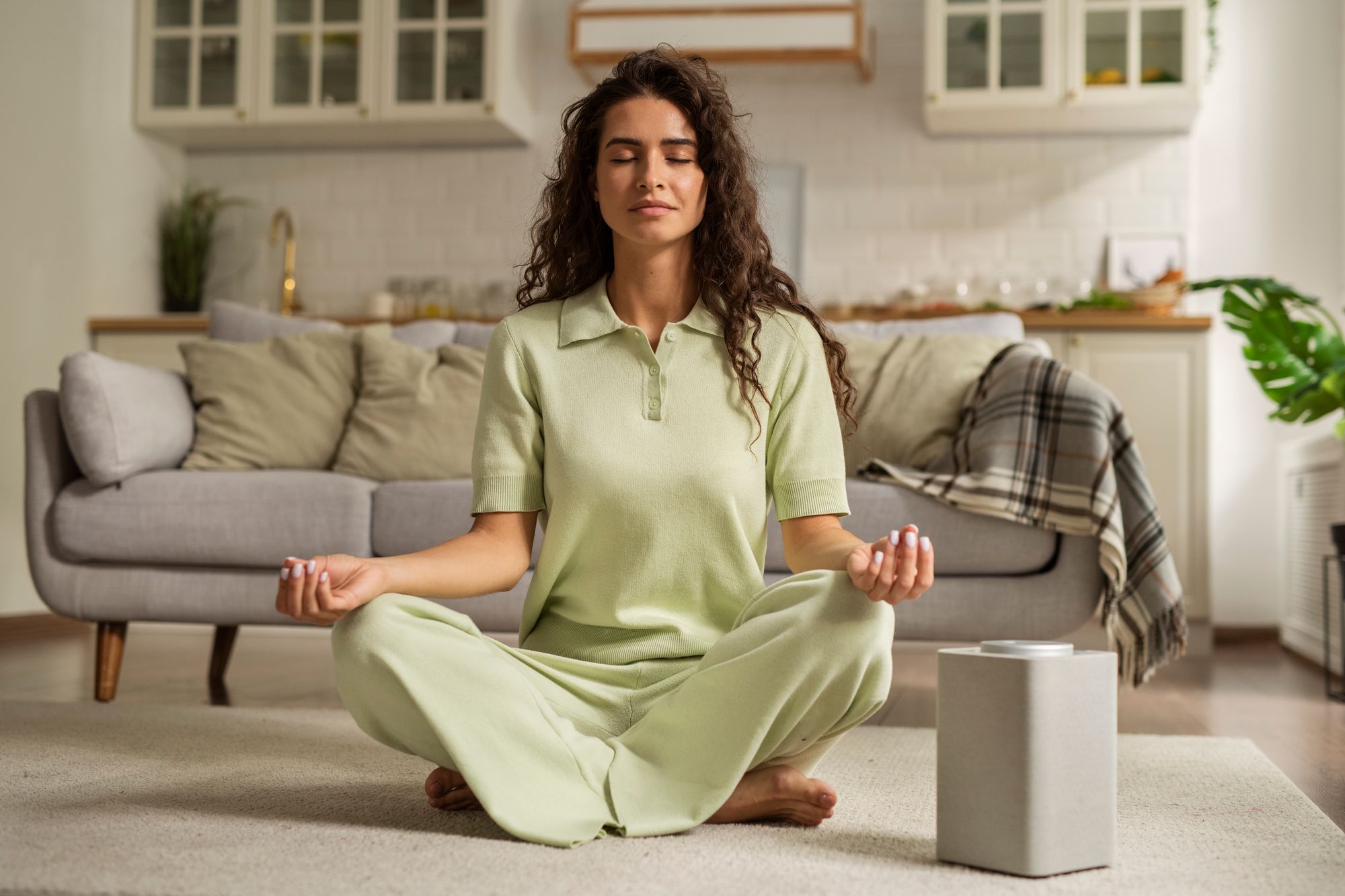
Be it any type of meditation, it’s important to listen to your mind and body every time you sit down to meditate.
- Set aside a dedicated time to practice meditation. Also meditate at the same time everyday.
- Create a peaceful environment with soft lighting and sit in a comfortable posture.
- Start with short sessions of guided meditations.
- Eat mindfully. Pay attention to the flavours, texture and sensations of food.
- Stay hydrated and avoid consuming processed foods.
Final thoughts
Starting your meditation journey may seem to be challenging at first, but it's one of the best ways to turn around your lifestyle in order to make the most out of it. You can either choose to eat after meditation or keep a gap of 90 minutes after you've eaten to start with your meditation practice.