Broken Sleep? DIY Deep Sleep Playlist Secrets
"Sleep is nature's way of saying, 'Time out.'"- Aristotle
But what if you're struggling to catch those Z's? Could be due to stress, anxiety, excessive screen time, caffeine consumption or an irregular sleep schedule.
Consider creating a personalized deep sleep music playlist. By curating a collection of relaxing music for sleep, you can transform your sleep quality completely.
Benefits of sleep music
Listening to sleep music can provide numerous benefits, including reduced stress levels, improved sleep quality, and enhanced relaxation. Music can create a serene atmosphere, helping you to unwind and prepare for a restful night. Sleep songs have the power to calm your mind and slow your breath. Incorporating sleep sounds into your nightly routine can be one of the most effective tips to fall asleep more easily and wake up feeling refreshed.
Bring a little calm into your dayGuided meditation, sleep & breathwork — free to start.Try Swa:aha freeHow music affects sleep quality
Music can influence your sleep quality by affecting your heart rate, breathing, and overall mood. When you listen to deep sleep music, it can help you enter a state of relaxation more quickly such that you sleep faster and wake up feeling refreshed. Sleep tracks are specifically designed to guide your brain into the ideal state for drifting off, using carefully crafted melodies, rhythms, and frequencies. By making it a regular part of your bedtime ritual, you can train your body and mind to associate these sleep sounds with the onset of sleep, making it easier to fall asleep when you need to.
Choosing the right music
Importance of tempo and rhythm
The tempo and rhythm of sleep tracks are crucial. Slow tempos, typically around 60-80 beats per minute, mimic the resting heart rate and promote relaxation. This slower pace helps to gradually slow your breathing and heart rate, easing you into a state of tranquility. When selecting deep sleep music, look for pieces with a consistent, predictable rhythm without sudden changes or disruptions. The best relaxing music for sleep will have a smooth, flowing quality that gently guides you towards slumber.
Bring a little calm into your dayGuided meditation, sleep & breathwork — free to start.Try Swa:aha freeBest type of sleep music
Different genres offer various benefits for sleep music:
Classical music
Classical music, with its calming melodies and lack of lyrics, is a popular choice for sleep playlists. Its serene backdrop provides a structured approach to induce relaxation and sleep.
Try the most loved raga on the Swa:aha (formerly Level SuperMind) app. Consisting of slower tempos known to balance body's subtle energies, this raga will create a soothing transition to sleep and make you feel refreshed the following day.
Ambient and electronic music
Ambient and electronic music, characterised by slow, soothing sounds can create a meditative atmosphere, making it easier to drift off to sleep.
Nature sounds
Nature sounds, such as rain, ocean waves, and forest sounds, can provide a soothing background that helps mask disruptive noises and promotes relaxation.
White noise and pink noise
White and pink noise are continuous sounds that help drown out the disruptive noise in the background and create a stable auditory environment conducive to sleep.
Creating your playlist
Selecting songs
When selecting sleep songs for your playlist, focus on instrumental tracks or songs with minimal, repetitive lyrics. Avoid songs with abrupt changes in volume or tempo that could startle you awake. Choose music with a smooth, predictable flow that allows you to easily drift off. Experiment with different sleep tracks to find the perfect combination that works for you.
Mixing genres
A mix of different genres with classical pieces, ambient tracks, and nature sounds can help create a diverse and engaging playlist that never gets stale. Having a variety of relaxing music for sleep can prevent your brain from getting overly accustomed to any one type of sleep sounds, ensuring that your playlist remains effective night after night.
Playlist length
Aim for a playlist that lasts at least 60-90 minutes. This duration is typically long enough to help you fall asleep and stay asleep through the night. Longer playlists ensure that you have plenty of sleep tracks to keep you in a relaxed state, even if you wake up briefly during the night. With enough music queued up, you can drift back off without having to search for more sleep sounds in the middle of the night.
Bring a little calm into your dayGuided meditation, sleep & breathwork — free to start.Try Swa:aha freeAdvanced techniques
Looking for ways to keep your brain healthy? Yes, there are many! Getting enough sleep resides at the top of the list.
Incorporating 432Hz music
Some people believe that music tuned to 432Hz, as opposed to the standard 440Hz, is more harmonizing and calming. Experiment with 432Hz frequency to see if this alternate tuning enhances your sleep experience and helps you fall asleep faster. While the science behind 432Hz is still being explored, many people find that it has a noticeably more relaxing effect than standard tuning when used for deeper stages of sleep.
Using binaural beats
Binaural beats involve playing two slightly different frequencies in each ear, which the brain processes as a single, new frequency. This technique can promote relaxation and improve sleep quality. These beats subtly guide your brainwaves into the ideal state for deep, restorative sleep. By including binaural beats in your daily playlist of sleep sounds, you harness the power of auditory illusions to enhance sleep efficiency.
Head over to the Swa:aha (formerly Level SuperMind) app to listen to the binaural beats, an effective tool to reduce sleep fragmentation, the phenomena of waking up frequently during the night.
ASMR sounds
ASMR (Autonomous Sensory Meridian Response) sounds, such as whispering, tapping, and crinkling, can trigger a relaxing tingling sensation that helps some people fall asleep. If traditional sleep tracks aren't quite doing the trick, try incorporating some ASMR-style music into your nightly routine for a soothing experience.
Also read: Nama-stay in Bed: Best Yoga Poses for Sleep
Technical aspects

Best devices for listening
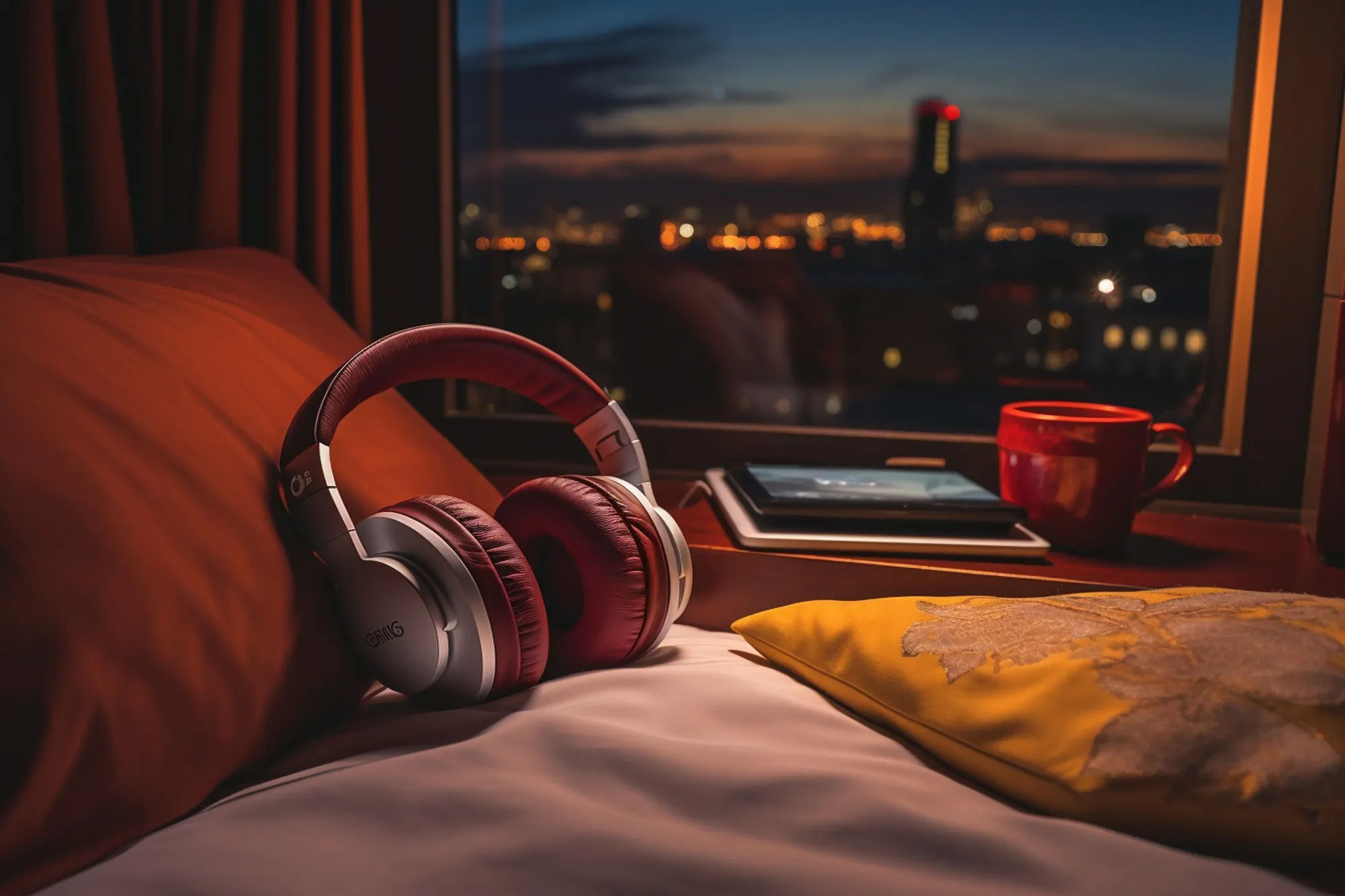
Using the right device can enhance your sleep music experience. Consider sleep headphones, wireless earbuds, or a high-quality speaker placed near your bed. Experiment with different options and look for devices without sacrificing audio quality or discomfort.
Volume and sound quality
Keep the volume at a low to moderate level to avoid disturbing your sleep. High-quality audio can provide a more immersive and relaxing experience. Invest in devices that play relaxing sounds with minimal distortion or background noise.
Also read: Should You Drink Water Before Bed?
Bring a little calm into your dayGuided meditation, sleep & breathwork — free to start.Try Swa:aha freePersonalizing your playlist
Tailoring to individual preferences
Personal preferences play a significant role here. Experiment with different genres, artists, and sleep sounds to find what works best for you. Pay attention to how different types of music affect your ability to get a relaxing sleep and decide accordingly.
Seasonal adjustments
Adjust your playlist according to the season. For instance, incorporate more nature sounds in spring and summer, and warm, cozy music in fall and winter. Matching your deep sleep music to the seasonal atmosphere can make you feel more intuitively relaxing.
Optimizing your sleep environment
Ideal bedroom setup
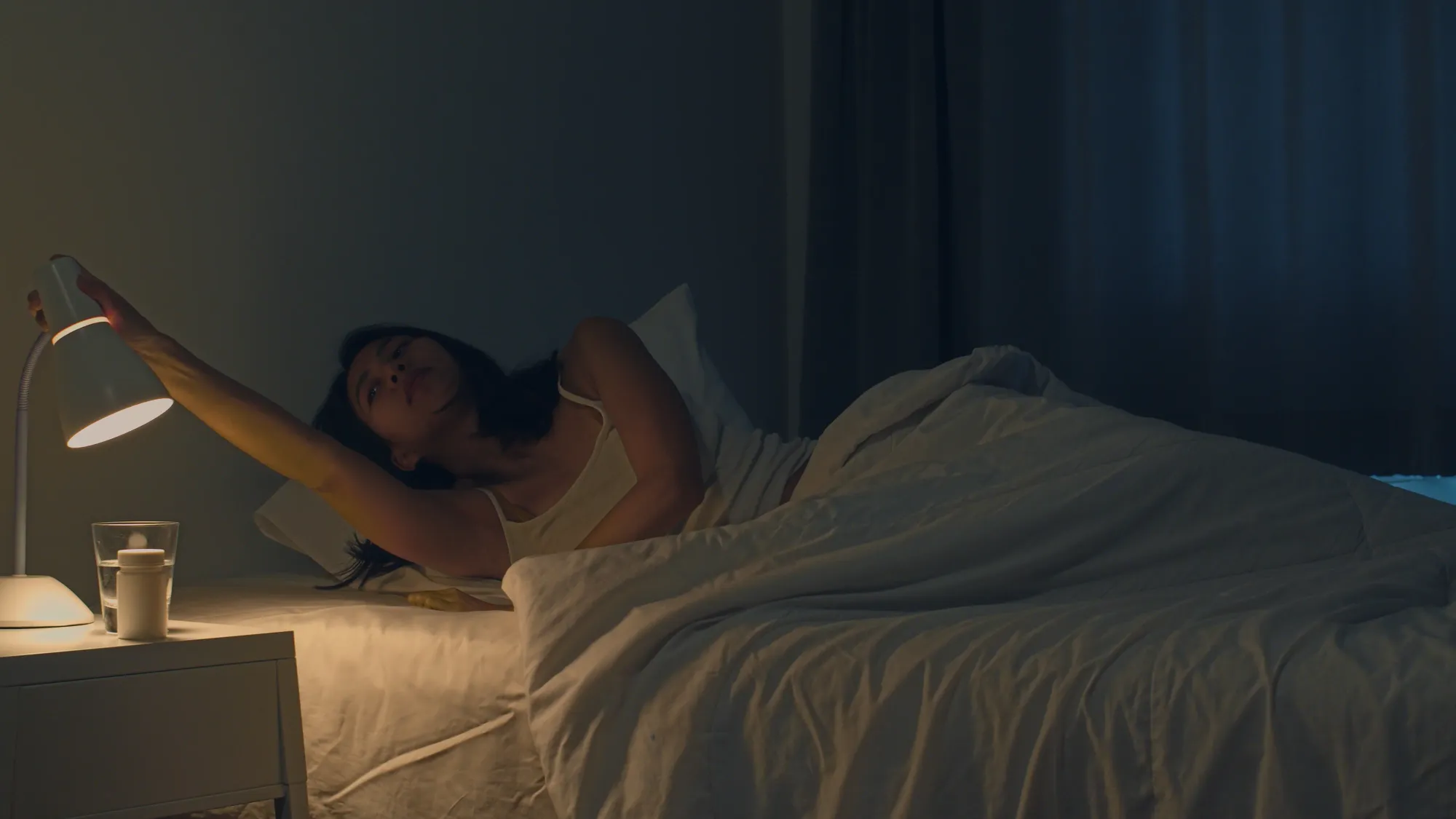
Has it ever happened that you did every possible thing- had dinner on time, went to bed on time, kept your mobile off, still you can't fall asleep. 'Why can't I relax?', you think to yourself. Focus on sleep hygiene then. Create a sleep-friendly environment by keeping your bedroom cool, dark, and quiet. Use blackout curtains, a comfortable mattress, and soft bedding. Pair your favourite type of music with a peaceful, distraction-free space for deep relaxation.
Eliminating distractions
Minimize potential distractions by turning off electronic devices and using earplugs or a white noise machine to block out unwanted sounds. By combining relaxing music with proactive measures to eliminate distractions, you create the ideal conditions for your sleep tracks to work their magic.
Bring a little calm into your dayGuided meditation, sleep & breathwork — free to start.Try Swa:aha freeCombining with other relaxation techniques
Meditation and mindfulness practices
Combine your sleep music playlist with meditation or mindfulness exercises to enhance relaxation and prepare your mind for sleep. Begin with a few minutes of focused breathing or body scan while listening to deep sleep music. This will help to quiet the mental chatter and focus on the present moment.
Also read: Can we do meditation at night?
Breathing exercises
Practice deep breathing exercises while listening to sleep tracks to further relax your body and mind. Inhale deeply through your nose for a count of four, hold for a count of seven, then exhale slowly through your mouth for a count of eight. Repeat this 4-7-8 breathing pattern in time with the rhythm of the music to melt away tension and signal to your body that it's time to rest.
FAQs
How to make a sleep playlist?
Choose soothing tracks like nature sounds, instrumental music or ambient music. The length should be 30-60 minutes, giving you time to fall asleep. Ensure all tracks are at a similar volume level to avoid sudden loudness that might wake you. Listen to your playlist with deep sleep music a few times to see if it helps you relax and fall asleep, and make adjustments as needed.
Can I fall asleep listening to music?
Yes, many people find that listening to music can help them relax and fall asleep faster. The right type of music can lower heart rate and reduce stress, creating a conducive environment for sleep.
How do you sleep through music?
Make sure that you keep the volume low enough to be soothing but not so loud that it keeps you awake. Use a music player with the option to set a timer so that the sleep song or sleep music stops after a certain period. If you use headphones, ensure they are comfortable for sleeping. Alternatively, use a pillow speaker or a sound machine.
What music is scientifically best for sleep?
One of the best tips to fall asleep is to try out classical music. Studies show that slow and calm tracks can be very effective as relaxing music for sleep. You can also try different types of mind relaxing music like nature sounds, white noise and ambient music with a slow tempo and minimal changes for relaxation.
What is the best sleep music frequency?
The most effective frequency for sleep music is typically between 60-80 beats per minute (BPM). This range mimics the resting heart rate and can help promote relaxation and sleep.