What to do on Mahashivratri?
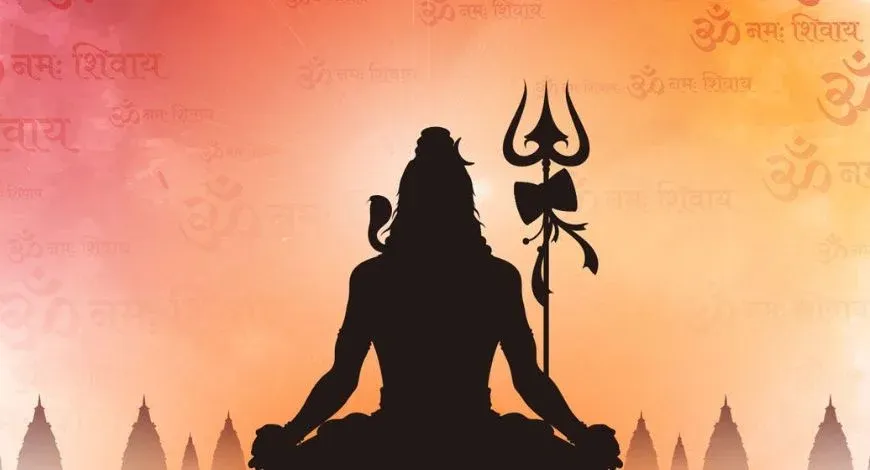
The night sky feels different on Mahashivratri—calmer, deeper, almost sacred. Across homes and temples, the sound of "Om Namah Shivaya" fills the air as devotees come together, greeting each other with "Happy Maha Shivaratri". They engage in prayer, meditation, and devotion to Lord Shiva.
If you’re wondering what to do on Mahashivratri which will be celebrated on February 15, 2026, this guide will help you make the most of this powerful and transformative occasion.
Mahashivratri special sale: 60% off on Swa:aha (formerly Level SuperMind)
Understanding Mahashivratri
Symbolism of victory over darkness
Mahashivratri symbolizes the victory of light over darkness and wisdom over ignorance. It marks a spiritual journey from unawareness to enlightenment or not knowing to truly understanding, reminding us of the fact that there’s always a way from confusion to clarity.
Commemoration of Lord Shiva's cosmic dance
The festival celebrates the day Lord Shiva performed the Ananda Tandava, the divine dance of creation, preservation, and destruction. This dance is a powerful symbol of the cycles of the universe, from birth to life to eventual dissolution.
Opportunity for spiritual renewal
Mahashivratri provides a unique chance for spiritual renewal and self-discovery. On this auspicious night, cosmic energies are believed to be at their peak, offering a potent environment for deep spiritual practices.
Bring a little calm into your dayGuided meditation, sleep & breathwork — free to start.Try Swa:aha freePreparing for Mahashivratri
Purification and decoration
The preparations for Mahashivratri start with the purification of the mind and soul. This spiritual cleansing is followed by the physical act of cleaning and decorating homes and temples, creating a sacred space conducive to worship and reflection.
Planning the fast
An integral part of the preparations is planning for the Mahashivratri fast. This fast is not merely a physical abstention but a symbolic act of self-discipline and reverence for the divine, aligning the body and spirit for the holy occasion.
Also read: Panchanana: Five Faces of Shiva
Rituals and traditions
Ceremonial bathing of Shiva Linga
A key ritual is the Maha Shivaratri Puja, which includes bathing the Shiva Linga with milk, honey, and water. This ritual, called Abhishekam, symbolizes the cleansing of one's soul.
Chanting sacred mantras
Devotees engage in the chanting of sacred mantras, such as "Om Namah Shivaya." These chants resonate with the cosmic vibrations, enhancing the spiritual experience and connecting the devotee with the divine.
Also read: Are Shivratri and Mahashivratri different?
Meditation and prayer
Meditation and prayer form the cornerstone of the observances, providing moments of deep introspection and connection with the divine. These practices help in centering the mind and focusing on spiritual growth.
Offerings to Lord Shiva
Offerings of bilva leaves, flowers, and fruits are made to Lord Shiva. These offerings are not just ritualistic but are symbolic of devotion, gratitude, and the surrender of the ego. The bilva leaves, in particular, represent the surrender of the three gunas – tamas, rajas, and sattva.
By following these traditions, you can experience the importance of Mahashivratri in its truest form.
Don't miss out on the limited period offer of Swa:aha (formerly Level SuperMind)'s 60% off on Mahashivratri. (Don't forget to check out what all you get at half price)
Bring a little calm into your dayGuided meditation, sleep & breathwork — free to start.Try Swa:aha freeFasting on Mahashivratri
Spiritual purification and devotion
Fasting for Mahashivratri is not just about food; it’s about self-discipline and devotion. It helps devotees focus on spirituality rather than physical needs.
Abstaining from food and water
Traditionally, the fast involves abstaining from both food and water, although the strictness of this practice can vary. Some devotees opt for a more rigorous fast without water, known as 'Nirjala Vrat.'
Consumption of 'Phalahari' meals
Many devotees consume 'phalahari' or fruit-based meals, which are light yet nourishing. These meals typically include items like sabudana khichdi, fruits, and milk, which provide energy while maintaining the sanctity of the fast.
Community celebrations
Collective spiritual ambiance
Mahashivratri is celebrated not just individually but as a community, creating a collective spiritual ambiance. This communal aspect plays a crucial role in enhancing the festival's vibrancy and significance.
Events at temples
Special Maha Shivaratri Puja and Rudra Abhishekam ceremonies take place, attracting large gatherings of devotees. Temples become hubs of activity, with night-long prayers, and recitations of Shiva mantras. These gatherings are marked by a sense of unity and devotion.
Cultural expressions
Many places host traditional dances, music performances, and plays depicting stories of Lord Shiva. These events bring the mythology of Shiva to life.
Bring a little calm into your dayGuided meditation, sleep & breathwork — free to start.Try Swa:aha freePersonal wellbeing and spiritual growth
Encouraging self-reflection
Mahashivratri provides a conducive environment for introspection. It's a time when individuals are encouraged to reflect upon their actions, thoughts, and spiritual progress. Explore Shiva's 112 meditation techniques for heightened self-consciousness.
Facilitating spiritual awakening
The practices and observances of the festival are designed to facilitate spiritual awakening. Devotees engage in Shiva meditation and prayer, seeking to connect with the divine and to experience inner peace and enlightenment.
Dos and Don'ts
Cultivating a peaceful mindset
During Mahashivratri, maintaining a peaceful and meditative mindset is crucial. It's a time to detach from worldly distractions and immerse oneself in spiritual practices.
Adhering to dietary guidelines
Observing dietary restrictions is an important aspect of the festival. Devotees avoid non-vegetarian food, alcohol, and often even onion and garlic, to purify the body and mind.
Also read: Which Chakra is Associated with Shiva?
Bring a little calm into your dayGuided meditation, sleep & breathwork — free to start.Try Swa:aha freeFrequently Asked Questions
What do you do on Mahashivratri?
Mahashivratri is a sacred Hindu festival dedicated to Lord Shiva. On this day, devotees:
- Observe fasting (vrat), consuming only fruits, milk, and non-grain foods.
- Perform Rudrabhishekam, offering water, milk, honey, and bel leaves to the Shiva Lingam.
- Chant “Om Namah Shivaya” and recite Shiva Mantras like the Mahamrityunjaya Mantra.
- Participate in night-long jagran (vigil), singing bhajans and meditating on Shiva.
- Visit Shiva temples and listen to Shiv Purana katha.
- Engage in acts of charity and self-discipline, reflecting on Lord Shiva’s teachings.
What not to do on Mahashivratri?
To maintain the sanctity of this auspicious day, avoid:
- Consuming non-vegetarian food, alcohol, or onion and garlic.
- Engaging in negative emotions like anger, jealousy, or ego-driven activities.
- Wasting time on worldly distractions, instead, focus on meditation and devotion.
- Breaking the fast carelessly—if observing a strict fast, follow proper food guidelines.
What are the rules of Shivratri?
The essential rules for observing Mahashivratri include:
- Fasting (Upvas): Abstain from grains and heavy meals, consuming sattvic foods.
- Worship and Abhishekam: Perform Shiva Puja with sacred items like water, milk, honey, ghee, curd, sugar, and bael leaves.
- Chanting and meditation: Recite Shiva Stotras, Mahamrityunjaya Mantra, and Om Namah Shivaya.
- Night vigil (Jagran): Stay awake, worshipping Lord Shiva with devotion.
- Observing purity: Maintain mental, physical, and speech purity.
- Helping others: Practice selflessness, donate food, and perform good deeds.
Which color to wear on Mahashivratri?
The most auspicious colors to wear on Mahashivratri is green as it signifies nature and prosperity. Other colors to wear:
- White – Represents peace and purity, Lord Shiva’s essence.
- Red- A sacred color to wear on this day
- Royal blue – Symbolizes his divine energy and association with the Neelkanth form.
- Saffron/Yellow – Represents spiritual awakening and devotion.
It’s best to avoid black unless worn specifically for spiritual significance.
What should we do on Shivratri at home?
If celebrating at home, you can:
- Wake up early, take a holy bath, and wear clean clothes.
- Set up a Shiva Lingam or a picture of Lord Shiva for worship.
- Perform Rudrabhishekam using water, milk, curd, honey, and bel leaves.
- Light a diya and incense sticks, and offer flowers.
- Chant Om Namah Shivaya 108 times or more.
- Read Shiva Purana or chant Shiva mantras.
- Observe fasting, consuming only sattvic food.
- Engage in meditation and night vigil to enhance spiritual connection.
Final thoughts
Mahashivratri is more than a festival—it’s a spiritual journey that connects devotees with divine energy. Whether through fasting, prayers, meditation, or temple visits, this sacred night offers a path to inner peace and self-discovery.
By embracing both the spiritual and cultural aspects of Mahashivratri, one can experience its true essence. Let this night of devotion bring wisdom, clarity, and a deeper connection with the universe
Wishing you a Happy Maha Shivaratri!
Read next: Chant 'Om Bhairavaya Namah' for instant anxiety relief