13 Important Life Skills for Management from Ramayana
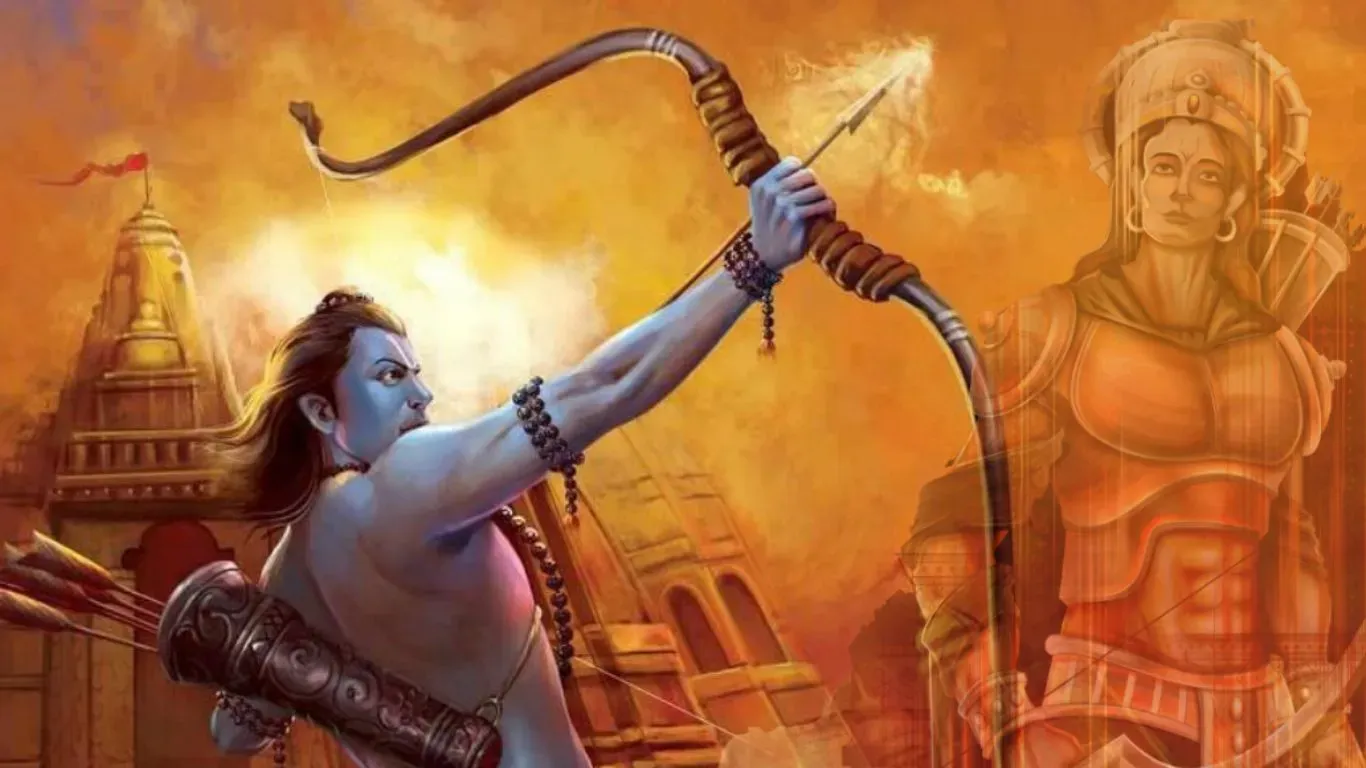
With the dates pertaining to the inauguration of Ram mandir in Ayodhya approaching, people are tickled pink with excitement in full swing. As it will attract lakhs of devotees, it's important that we go through the important life skills from Ramayana that inspire people even today.
Let's start with management lessons from Ramayana, which will guide people in the right direction.
Management lessons from Ramayana
Upholding ethics and morality
At the heart of the Ramayana, Lord Rama, as a leader, is an epitome of ethical decision-making which showcases the necessity of a leader to first weigh the consequences of their actions before taking the decision, that too with integrity. This particular aspect is quite relevant today, be it regarding running a business or even for personal considerations.
The importance of team building
Hanuman's role in the Ramayana is a perfect example of team building, strength and dedication. An important life skill that can be derived from this is the ability to recognize the strength of every individual and fostering a supportive team environment to increase effectiveness and promote success for organizational goals.
Also read:
30 Best Ramayana Quotes: Across Ayodhya, Across Ages
112 Ways of Shiva to Discover Yourself
30+ Benefits of Chanting the Hare Krishna Mahamantra
Decision making and responsibility
What we learn from Ramayana is Lord Rama's commitment to duty and ethical principles. An important life skill involving decision making is accountability. Both these management lessons, when demonstrated in real life, helps company thrive by being socially responsible. By owning up to the outcomes, the leader builds trust and reliability in the organization, essential for long-term success.
Crisis management
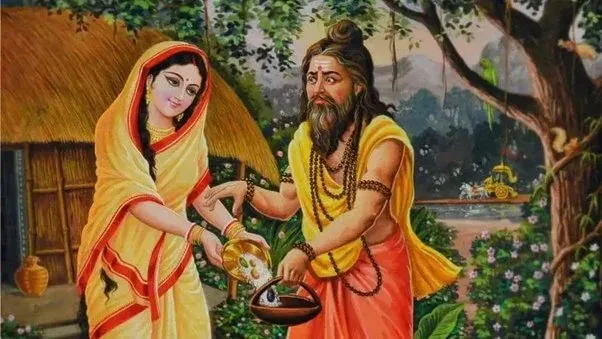
The abduction of Sita by Ravana was a pivotal crisis in the Ramayana and Lord Rama's response to this dire situation was marked by remarkable composure. Instead of panicking, he assessed the situation calmly and gathered support from allies like Hanuman and the vanara (monkey) army. This approach teaches modern managers the importance of staying calm to think more clearly and make decisions that are rational and well-considered, rather than reactive.
Strategic planning and execution
One of the most important life skills is strategic planning which is evident in the construction of the bridge to Lanka in the Ramayana. This task required not just physical effort but also a well-thought-out plan. Here, every step, from gathering resources to choosing the right team, was carefully planned. This aspect of the Ramayana highlights the importance of a structured approach in management to prepare for the challenges.
The role of a mentor
The guidance provided by Sage Vashistha to Rama which shaped him into a leader of virtue and valour. This relationship shows the impact a mentor can have in moulding future leaders, particularly in the corporate world though wisdom, experience, and guidance in leadership development. In modern management, mentors akin to Sage Vashistha can provide invaluable insights, helping to navigate the complexities of leadership with a balanced and ethical approach.
Ethics and integrity in leadership

Rama's decisions, whether in personal dilemmas or kingdom affairs, were always rooted in moral values and righteousness, even in the face of personal loss. In today's world, the teachings of Ramayana pertain to making decisions that are not only profitable but also socially responsible and transparent, consistent, and accountable such that the values are upheld.
Embracing diversity
The inclusivity in Rama's army, comprising beings from different backgrounds and abilities, teaches a valuable lesson in diversity about bringing together different perspectives and skills. This lesson is particularly relevant in today's global business environment, where embracing diversity can lead to a more creative, innovative, and effective team. It shows that when diversity is valued, the collective potential of a team is greatly enhanced with effective problem-solving and decision-making.
The importance of communication

Effective communication strategies are a cornerstone in the Ramayana. The way Hanuman communicates Rama's message to Sita in Lanka accurately and empathetically underlines the need for clear and precise communication in modern management for better team dynamics. Equally important is the ability to listen and take feedback as is evident from the interactions between Rama and his advisors.
Delegation and empowerment

In the epic tale of the Ramayana, Lord Rama's delegation of tasks to Hanuman and others in his quest to rescue Sita stands as a testament to the power of trust in management and the importance of assigning responsibilities based on competence and confidence in one's team. Additionally, it's essential to empower teams by providing the necessary resources, authority, and confidence to innovate and make decisions with their skills and abilities.
Also read:
Green Tara Mantra: Love, Job & Wealth
10 Powerful Ganpati Mantras: Success, Strength, Peace
50 Pearls of Wisdom by Dalai Lama To Live By
Handling betrayal and deception
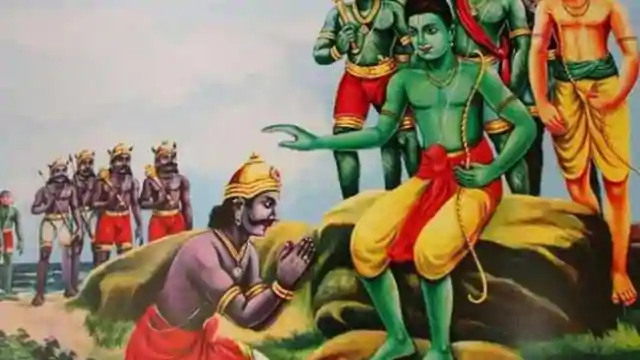
In the Ramayana, the alliance with Vibhishana, Ravana's brother teaches us the importance of discernment and wise judgement in corporate scenarios. In the modern corporate world, this translates to being cautious yet open-minded when dealing with internal team dynamics and external partnerships. Ravana's deceptive tactics are met with strategic planning and ethical responses from Rama, thus giving the management lesson of maintaining ethical standards while developing strategies to counteract deceit in business.
Succession planning
A crucial aspect of management is succession planning such that it does not disrupt the organisation's functioning. This is evident in Rama's leadership in which he not only led with wisdom and integrity but also understood the significance of preparing his successors for their future roles. In this context, the epic underscores the importance of foresight and preparedness in leadership transitions.
Embracing change and adaptability

Another crucial lesson from the Ramayana that resonates with modern management is the importance of embracing change and adaptability. The journey of Rama, from a prince to an exile and then a king, is filled with abrupt changes, which he faced with resilience. This is particularly relevant in today's fast-paced business environment, where change is constant and adaptability is key to survival and success.