World Sleep Day: Is Afternoon Sleep Good or Bad?
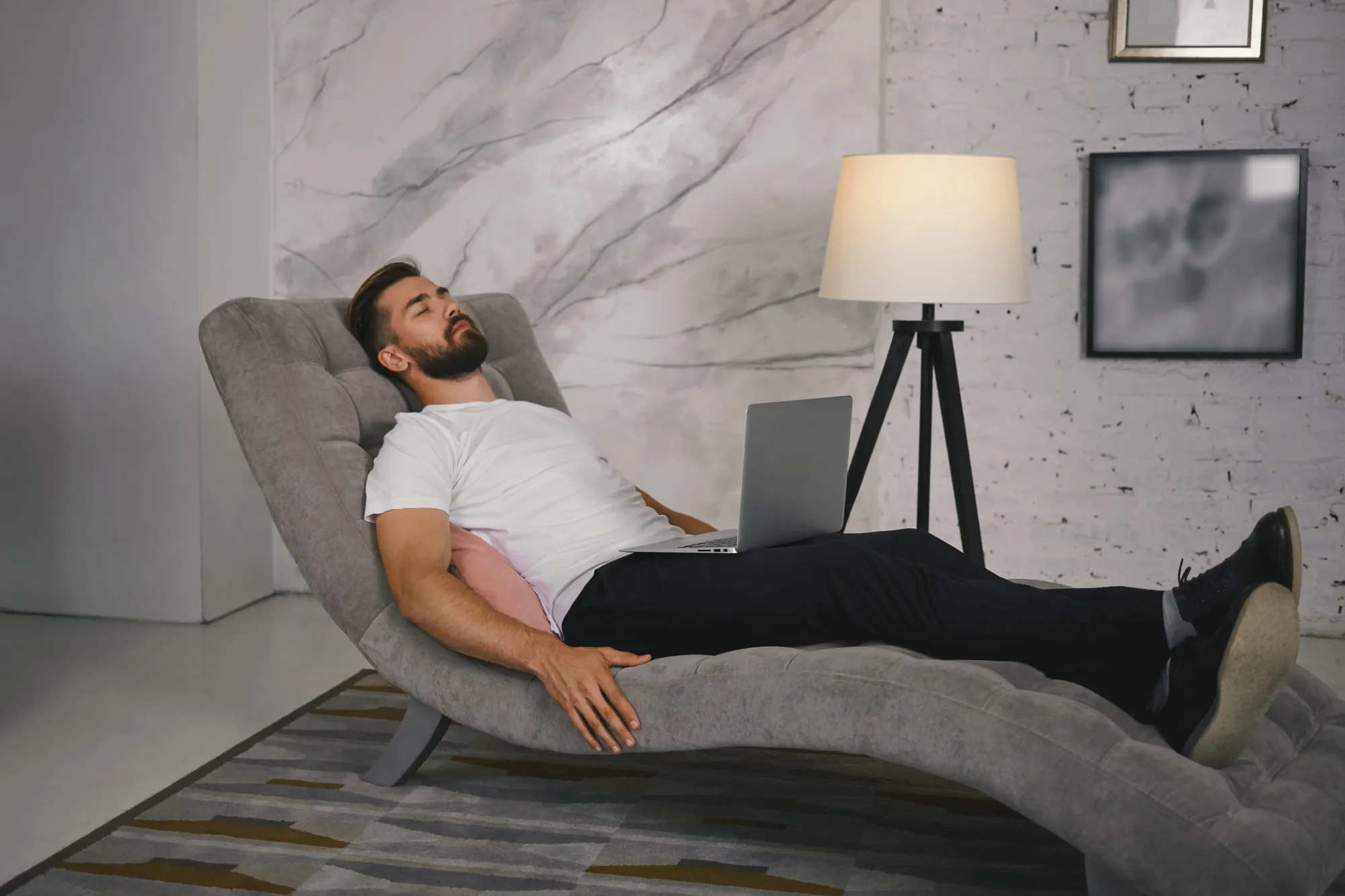
Ever felt like you just can't stay awake after lunch? That sleepy feeling hits, your eyes get heavy, and all you can think about is crawling into bed.
In today's fast-paced world, many people indulge in afternoon sleep to recharge. Some swear by the benefits of a quick nap, while others worry about its potential downsides.
As World Sleep Day 2025 approaches on march 14th with the theme "Make Sleep Health a Priority", it's the perfect time to address the question: Is it good to sleep in afternoon?
Are short naps beneficial, or do they disrupt our sleep cycle? And more importantly, does sleeping in afternoon increase weight?
Let's explore the advantages and disadvantages of afternoon nap habits and how to optimize them for better health.
The pros and cons of naps
The benefits of napping
Napping, when done correctly, offers several health benefits:
- Boosts memory and learning: Short naps improve cognitive function and memory retention.
- Enhances mood: A quick nap can reduce stress and elevate mood.
- Increases alertness: A well-timed afternoon nap can help fight fatigue and improve focus.
- Supports heart health: Research suggests napping occasionally may lower the risk of heart disease.
- Improves immune function: Quality naps may help the body recover faster from illness.
The drawbacks of napping
However, excessive or poorly timed naps may have negative effects:
- Sleep inertia: Longer naps can leave you groggy rather than refreshed.
- Nighttime sleep disruption: Sleeping too late in the day may make it harder to fall asleep at night.
- Potential health risks: Regular long naps have been linked to metabolic issues, increasing the risk of diabetes and heart disease.
So, afternoon sleep is good or bad? It depends on the duration, timing, and individual sleep needs.
Explore the Yoganidrasana to get rid of monkey mind.
Bring a little calm into your dayGuided meditation, sleep & breathwork — free to start.Try Swa:aha freeFactors that determine the benefit of a nap
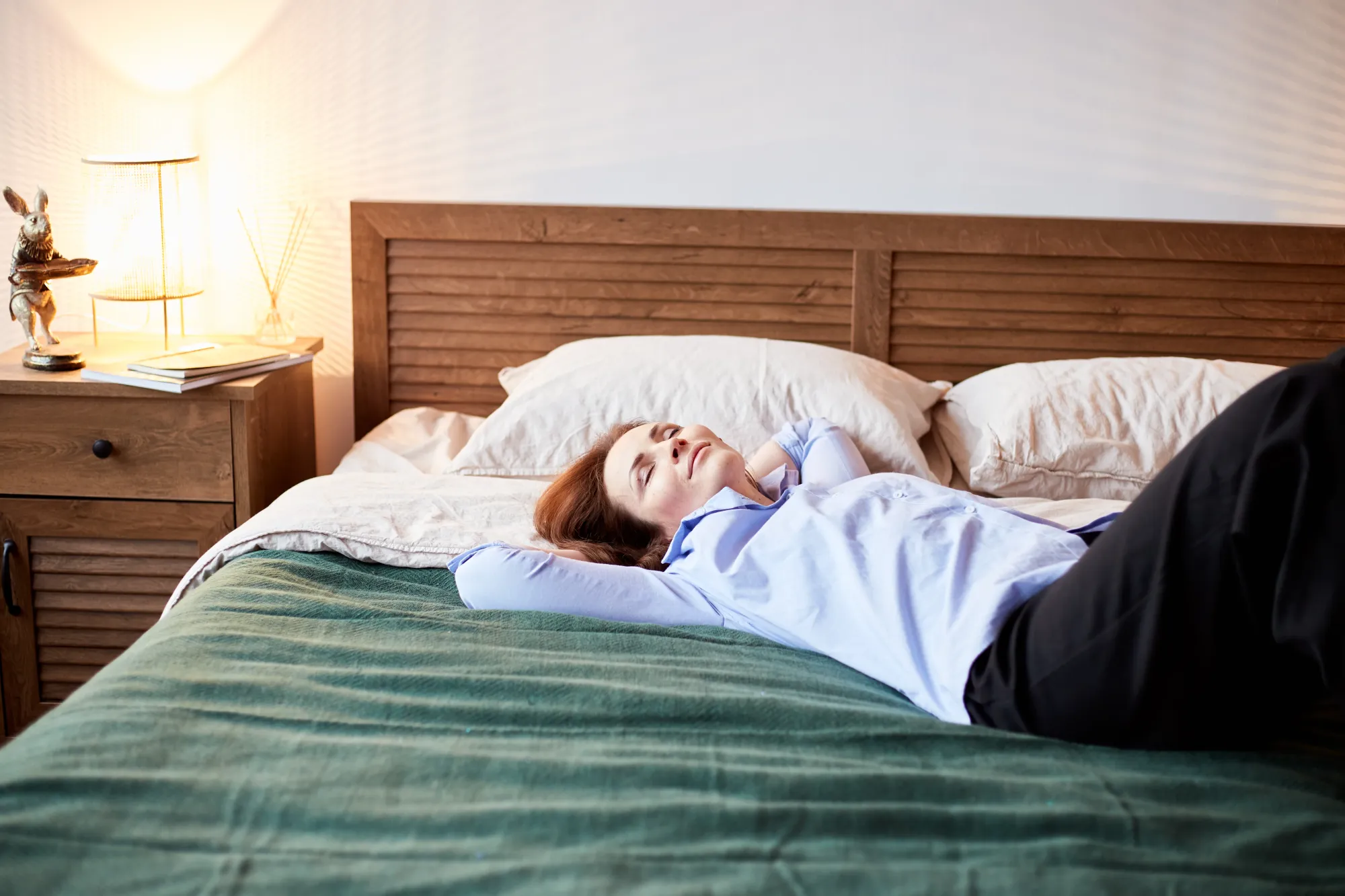
Not all naps are equal. Several factors determine whether a nap is beneficial or disruptive:
Duration:
- 10-20 minutes: Best for a quick energy boost.
- 30-60 minutes: May improve memory but cause grogginess.
- Over 90 minutes: Enters deep sleep, which may disrupt nighttime rest.
Timing:
- The best time for an afternoon nap is between 1 PM and 3 PM.
- Late-day naps (after 4 PM) may interfere with nighttime sleep.
Individual sleep needs:
- If you suffer from sleep deprivation, naps can help.
- If you already get 7-9 hours of sleep, napping too much might be unnecessary.
By keeping these factors in mind, you can maximize the benefits of afternoon sleep without disrupting your overall sleep pattern.
Learn how to prevent experiencing hypnic jerks while you're sleeping.
How to nap well
To make the most out of your afternoon sleep, follow these tips:
Keep it short: A 20-minute nap prevents deep sleep and post-nap grogginess.
Find a quiet spot: Reduce noise and distractions to enhance nap quality.
Listen to soothing sounds: Add white noise or soothing nature sounds to create a sleepy vibe. This is where the Swa:aha (formerly Level SuperMind) app comes in extra handy to assist you with the perfect sleep music playlist.
Control light exposure: Napping in a dark room promotes deeper relaxation.
Time it right: Nap before 3 PM to avoid disturbing nighttime sleep.
Maintain a regular schedule: Consistency helps regulate your body's internal clock.
If you're struggling with poor nighttime sleep, prioritize healthy sleep habits instead of relying on naps.
It's essential to be aware about the right room light colour to induce sleep.
Bring a little calm into your dayGuided meditation, sleep & breathwork — free to start.Try Swa:aha freeTips for better nighttime sleep
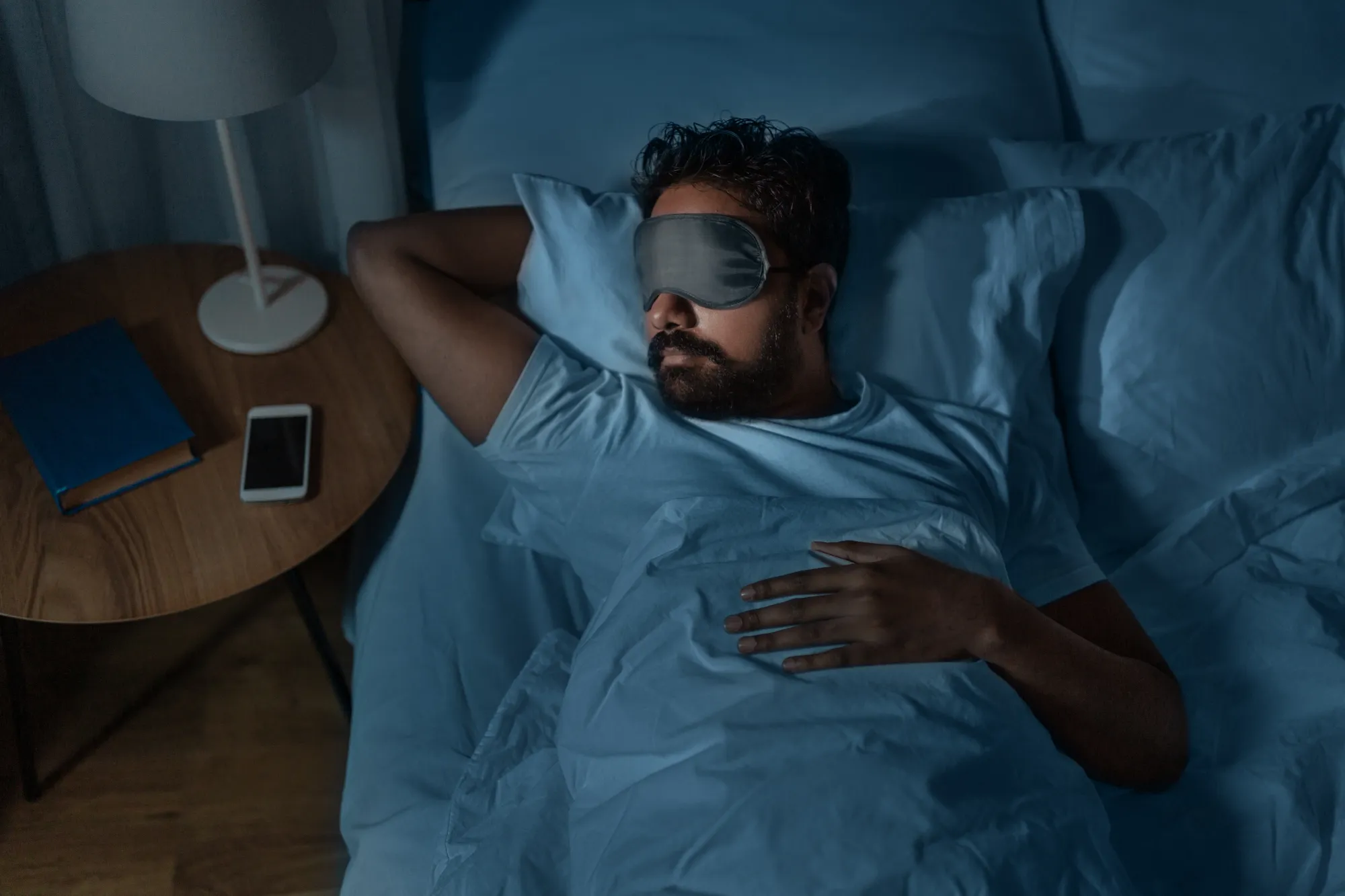
How to get good sleep? If you find yourself needing frequent naps, you might not be getting enough sleep at night. Improve your overall sleep quality with these tips:
Stick to a schedule: Go to bed and wake up at the same time daily.
Reduce screen time before bed: Blue light from screens can delay sleep.
Avoid stimulants: Limit caffeine and nicotine in the evening.
Create a relaxing routine: Reading, meditation, or a warm bath can promote better sleep.
Avoid heavy meals late at night: Eating right before bed can lead to discomfort and disrupted sleep.
Better nighttime sleep reduces the need for daytime naps, improving overall well-being.
Try Relaxing the Body sleep music from Swa:aha (formerly Level SuperMind).
Some resources from Swa:aha (formerly Level SuperMind) to help you get into your napping groove:
- Restorative Sleep stories, like A Magical Kingdom
- Nighttime meditations, like Yog Nidra
- Breathing exercises, like Conscious Breathing
- Soothing sleep music, like Listen To The Sea
- Follow your nap with a rejuvenating stretch, like Stretch it more
FAQs
1. Is afternoon sleep good?
Yes! According to studies, short afternoon nap of 10-30 minutes can boost energy, improve mood, and enhance cognitive function. However, excessively long naps can interfere with nighttime sleep.
2. What's the best way to take a nap?
The best naps are 20-30 minutes long, taken in the early afternoon (before 3 PM), and in a quiet, dark environment.
3. What are the side effects of sleeping in the afternoon?
Long or late afternoon sleep can cause grogginess, disrupt nighttime rest, and increase the risk of metabolic issues.
4. Why is the afternoon sleep so deep?
Napping in the afternoon aligns with the body's natural energy dip, making it easier to fall into deep sleep.
5. Does sleeping in afternoon increase weight?
There’s no direct evidence linking afternoon sleep to weight gain. However, poor sleep habits, irregular naps, and a sedentary lifestyle can contribute to metabolic changes that may affect weight.
Also read: How to sleep fast in 40 seconds
Bring a little calm into your dayGuided meditation, sleep & breathwork — free to start.Try Swa:aha freeFinal thoughts
So, is it good to sleep in afternoon? The answer depends on how, when, and how long you nap. Short, well-timed naps can be highly beneficial, while excessive afternoon sleep can have drawbacks.
As World Sleep Day 2025 highlights the importance of prioritizing sleep health, it's essential to find the right balance. Whether you enjoy a refreshing sleep day or focus on nighttime sleep quality, making informed choices can improve overall well-being.
By adopting healthy sleep habits and understanding the science of napping, you can optimize your rest and enjoy better mental and physical health.
Read next: How to do Yoga Nidra in 8 Simple Steps?