Why is Shivratri, the Night of Shiva, Celebrated?
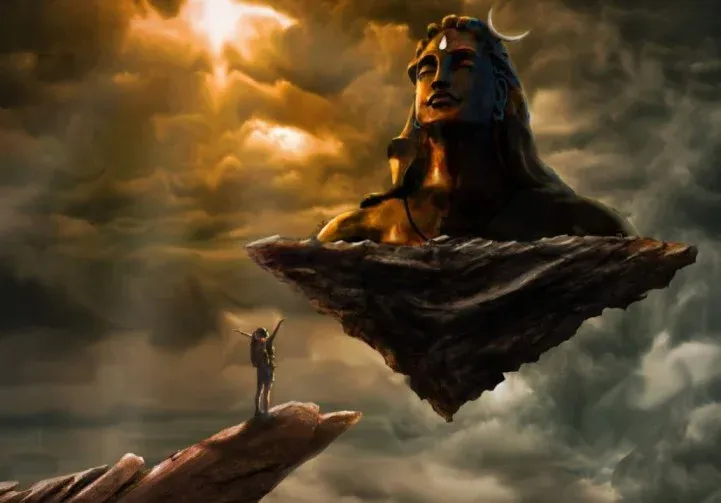
Amidst the fervour of MahaShivratri, an important question arises: Who is Shiva, in reality? Is he just a God from stories, or is there more to him?
Imagine this: What if Shiva isn't just in temples and stories, but inside each of us, hidden deep down? What if we can find Shiva's calmness and strength within ourselves? In this journey, we explore MahaShivratri not just as a religious day, but as a time to understand how we can be like Shiva. It's a time when devotees across India and the world engage in rituals and prayers, seeking blessings and spiritual awakening. Let's uncover the secrets, learn what Shiva represents, why is Shivratri celebrated and see how he matters in our lives today.
Why is Shivratri celebrated?
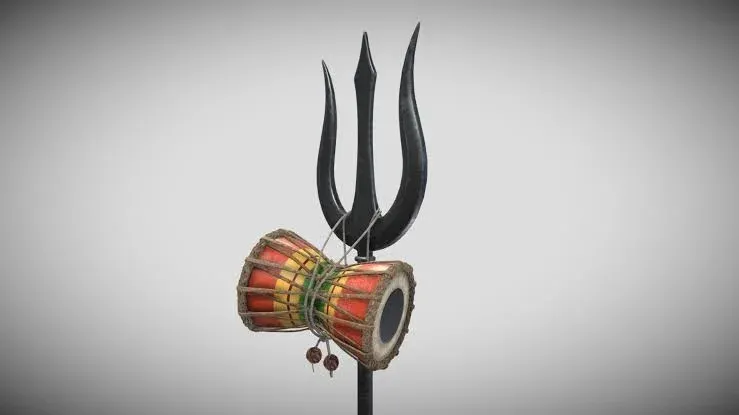
The celebration of Mahashivratri is not just a ritualistic practice but a profound expression of devotion and reverence towards Lord Shiva. One of the most popular legends associated with Mahashivratri represents the marriage of Shiva and Parvati, symbolising the union of divine energies. Another belief is that on this auspicious night, Lord Shiva performed the heavenly dance of creation, preservation, and destruction. Mahashivratri is not just a commemoration of mythological events; it's a night that symbolises the overcoming of darkness and ignorance in one's life. It is believed that on this night, the northern hemisphere of the planet is positioned in such a way that there is a natural upsurge of energy in a human being. This makes it a night of awakening and enlightenment. Devotees observe fasts, perform meditative practices, and chant prayers, as these activities are said to be beneficial for spiritual growth and physical well-being on this particular night.
In essence, Mahashivratri offers an opportunity for individuals to experience heightened spiritual consciousness by connecting with their inner selves and the divine.
Bring a little calm into your dayGuided meditation, sleep & breathwork — free to start.Try Swa:aha freeHistorical & Cultural Significance
Mythological roots: Mahashivratri, meaning "The great night of Shiva," is celebrated with stories that highlight its deep significance:
- The union of Shiva and Parvati symbolizes the balance of masculine and feminine energies represents love and spiritual unity, central to why we celebrate shivratri.
- Shiva's Tandava dance represents the cosmic cycles of creation, preservation, and dissolution.
- During the Samudra Manthan, Shiva consumed poison to protect the universe, showcasing his protective nature.
- The Lingodbhava story, where Shiva appears as an infinite pillar of light, emphasizes his timeless nature.
Cultural impact:
- Mahashivratri unifies diverse communities from around the world, showcasing its power to bridge cultural differences.
- Influences on art, architecture, literature, and music are profound, with temples and artistic works depicting Shiva's legends.
- The festival promotes philosophical and spiritual discussions, reflecting on why is Shivratri celebrated.
- Cultural practices like fasting and night-long vigils offer spiritual growth, making it a ‘Happy Maha Shivaratri’.
This festival offers lessons on balance, selflessness, and the cyclical nature of existence.
Also read:
112 ways of Shiva to discover yourself
Shiva Meditation: How To Get Shiva Consciousness?
Spiritual significance of Mahashivratri
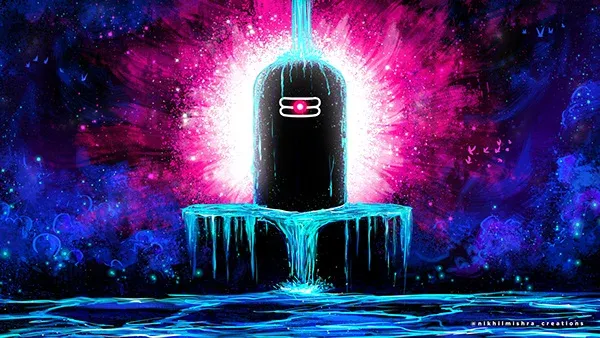
The night of Lord Shiva
Mahashivratri, dedicated to Lord Shiva, is no longer just a religious event but a spiritual journey.
- Symbolism of Lord Shiva: On Mahashivratri, devotees strive to emulate the qualities of Lord Shiva by engaging in meditation, prayers, and chants and seeking to attain a state of heightened spiritual awareness, inner peace, and wisdom.
- The significance of meditation: It is believed that meditating on this night can lead to profound spiritual experiences, as the natural energies of the world are aligned in a way that enhances spiritual growth.
- Transformation and renewal: Mahashivratri is seen as a time for personal transformation with introspection and shedding limitations and vices, much like Shiva's dance that leads to the destruction of the old and creation of the new.
Spiritual interpretations
The festival of Mahashivratri is rich with spiritual interpretations and symbolism, offering deeper insights into the journey of life:
- Overcoming darkness: Mahashivratri symbolizes the victory of knowledge over ignorance and light over darkness that resides within us.
- Self-improvement: This festival encourages introspection and self-improvement by reflecting on your actions, thoughts, and life goals.
- Attaining moksha: Journey towards moksha - liberation from the cycle of birth and death helps in breaking free from life's illusions and moving closer to spiritual truth.
- Universal consciousness: Mahashivratri also symbolizes the unification with universal consciousness. It's a time when the individual soul seeks to merge with the universal soul, represented by Lord Shiva.
- Cosmic energy: The festival is believed to renew the cosmic energy of the universe through collective prayers and meditative energies, fostering a harmonious balance in the cosmos.
What to do on Mahashivratri for maximum benefits
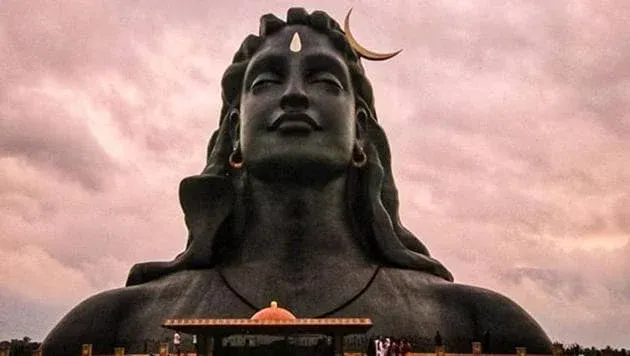
Religious practices
To derive the maximum spiritual benefits from Mahashivratri, certain religious practices are recommended. These practices are designed to enhance the power of this devotional practice and spiritual awareness:
- Observing a strict fast: Wish your loved ones a happy Mahashivratri and fast on this day to purify both the body and the mind, creating a suitable environment for spiritual growth. The fast typically involves abstaining from food and sometimes water, from sunrise on Mahashivratri until sunrise the next day. This discipline helps in controlling the senses and focusing the mind on spiritual practices.
- Visiting Shiva temples: Visiting temples dedicated to Lord Shiva is a significant practice. Devotees offer prayers, perform pujas, and participate in special rituals conducted in temples. These visits are considered auspicious, providing an opportunity to immerse oneself in the divine atmosphere.
- Engaging in continuous meditation: Meditation and the chanting of 'Om Namah Shivaya', a powerful mantra associated with Lord Shiva, are central to the observances of Mahashivratri. Continuous meditation helps in attaining a deeper state of consciousness, while chanting helps in maintaining focus and intensifying devotion.
- Listening to Shiva's stories and hymns: Engaging in the recitation or listening to stories and hymns related to Lord Shiva is another way to connect with the divine. These stories and hymns, often recited during the night, serve as reminders of Shiva's qualities and teachings.
- Performing Night Vigil (Jagaran): Staying awake during the night of Mahashivratri is a practice symbolizing vigilance and devotion. The night vigil is often accompanied by meditative practices and devotional singing, keeping the mind engaged in spiritual thoughts.
Also read:
The science behind Nataraja statue aka Dancing Lord Shiva
Nataraja: The dance of Lord Shiva's cosmic energy
Yoga and meditation
Yoga and meditation play a crucial role in the observance of Mahashivratri, aiding in the harmonization of body, mind, and spirit:
- Practicing yoga: Yoga, particularly asanas and pranayama, is recommended on Mahashivratri. These practices help in preparing the body and mind for meditation, ensuring stability, both physical and mental. Yoga asanas align the body's energies, while pranayama (breathing exercises) helps in calming the mind.
- Meditation practices: Meditation is especially significant on Mahashivratri. It is believed that meditating on this night can lead to profound spiritual experiences. Devotees focus on the third eye, the space between the eyebrows, which is said to be connected with Lord Shiva.
- Chakra meditation: Focusing on the chakras, particularly the Ajna Chakra (third eye) and Sahasrara Chakra (crown of the head), during meditation is a common practice. These chakras are believed to be gateways to higher consciousness and are closely associated with Lord Shiva.
- Group meditations and satsangs: Participating in group meditations and satsangs (spiritual gatherings) can amplify the spiritual experience. The collective energy of a group can aid in achieving a deeper meditative state.
You don’t need to assemble physically as a group. With Swa:aha (formerly Level SuperMind)’s group meditation feature, you can meditate with a number of your friends and family members and build a consistent meditation routine together.
- Mindfulness and self-reflection: Practicing mindfulness and engaging in self-reflection are also encouraged. This involves being fully present in the moment and introspecting one's thoughts and emotions, fostering a deeper understanding of the self.
Also read:
Shiva shakti: Which chakra is associated with Shiva?
Om Namo Bhagavate Vasudevaya: Meaning, Benefits & Steps
Celebrate Mahashivratri with Swa:aha (formerly Level SuperMind)
As mentioned earlier, Mahashivratri has a natural upsurge of energy in the human system. Meditating on this day allows you to align yourself with these cosmic energies leading to spiritual cleansing and purification. Here's what you can try from Swa:aha (formerly Level SuperMind) app to enhance your experience of Mahashivratri:
Shiva yoga nidra: Although staying awake throughout the night on MahaShivratri is considered auspicious, you can practice Shiva Yoga Nidra in the afternoon on MahaShivratri to relax yourself fully. Maintain a sense of awareness, keep your nap or Yoga Nidra session brief and avoid deep sleep.
Mantra chanting: Let the vibrations of the mantra, 'Om Namah Shivay' resonate with you as it can help deepen your connection with Shiva and cultivate a sense of peace and devotion. This meditation series is here to aid you in establishing a consistent meditation practice.
For the basics of mantra chanting, you can also try the 'Om mantra meditation series' by Om Dhumatkar on Swa:aha (formerly Level SuperMind), available in Hindi and English.
Also read:
30+ Benefits of Chanting the Hare Krishna Mahamantra
Bring a little calm into your dayGuided meditation, sleep & breathwork — free to start.Try Swa:aha freeMahashivratri across the globe
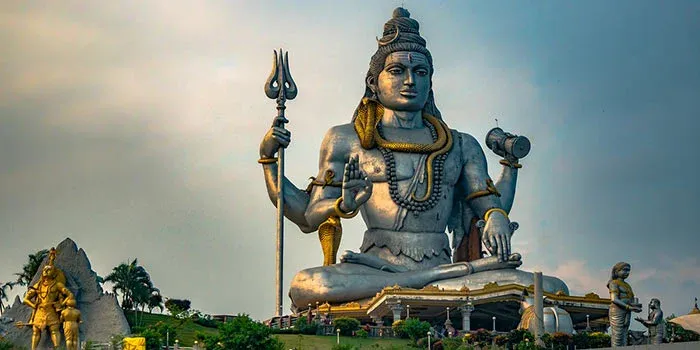
In India, Mahashivratri is celebrated with unique regional traditions, from the grand rituals in the south to the cultural diversity in the north, east, and west. Each area adds its own flavour to the festivities, while practicing the Mahashivratri sadhana whether it's the spiritual activities along the Ganges in Varanasi, the folk dances in the Himalayas, or the focus on meditation and kirtan in West Bengal and Odisha.
Beyond India's borders, Mahashivratri resonates with the Hindu diaspora and spiritual seekers worldwide. Temples in countries like the United States, Canada, the United Kingdom, and Australia serve as focal points for the celebrations, hosting a variety of events from ritualistic pujas to cultural programs and spiritual discourses where stories of Lord Shiva are recited, devotional songs fill the air, and activities like yoga and meditation sessions are organized.
In this digital age, there’s no restriction with regards to the reach of Mahashivratri celebrations as there are live streams of temple rituals, virtual meditation sessions, and online satsangs which allow those unable to attend in person to still be part of the spiritual journey.
Mahashivratri's global observance underscores the unifying power of spirituality, transcending geographical and cultural boundaries to bring people together in a celebration of devotion, renewal, and universal consciousness.
Final thoughts
Mahashivratri is much more than a day of rituals and traditions; it's a profound journey into the depths of spiritual awareness and self-discovery.
At its core, Mahashivratri serves as a powerful reminder of the immense strength and transformative power of faith. It encourages us to look beyond the materialistic aspects of life and delve into the realm of spiritual growth and enlightenment.